• News
    • Featured Articles
    • Product News
    • E-News
  • Magazine
    • About us
    • Digital edition
    • Archived issues
    • Media kit
    • Submit Press Release
  • White Papers
  • Events
  • Suppliers
  • E-Alert
  • Contact us
  • FREE newsletter subscription
  • Search
  • Menu Menu
International Hospital
  • AI
  • Cardiology
  • Oncology
  • Neurology
  • Genetics
  • Orthopaedics
  • Research
  • Surgery
  • Innovation
  • Medical Imaging
  • MedTech
  • Obs-Gyn
  • Paediatrics

Archive for category: Featured Articles

Featured Articles

Cardio-oncology – where cancer meets the heart

, 26 August 2020/in Featured Articles /by 3wmedia

There are growing concerns about an unfortunate but often-unavoidable scenario in modern medicine. Although the latest generation of drugs has improved patient survival for a vast array of diseases, the prolongation of life is often accompanied by a sharp increase in the probability of adverse effects of medication. Treatment of one disease can provoke or complicate another.
Clinicians, of course, focus on the more urgent and life-threatening condition. However, the choice is neither always straightforward or easy.  In certain cases, there are both short-term complications and long-term consequences.
One major area of attention in recent years is cardio-oncology (or onco-cardiology). This concerns the development of heart problems in patients treated for cancer. In cancer survivors, years or even decades could elapse after chemotherapy or radiation, before the emergence and detection of problems.

Origins in anthracycline side effects
The origins of ‘cardio-oncology’ date back to the late 1960s/early 1970s, when the use of anthracycline anti-cancer medication began to be associated with cardiac dysfunction – a major side effect.
Anthracyclines like doxorubicin are commonly used in the treatment of solid tumours (e.g. breast cancer, osteosarcoma) and hematologic malignancies (acute lymphoblastic leukemia, Hodgkin- and non-Hodgkin lymphoma etc.)
A variety of studies beginning from the late 1990s through to the late-2000s found the risk of congestive heart failure (CHF) with high cumulative dose of anthracyclines ranging from 3-5% with 400 mg/m2, 7-26% at 550 mg/m2, and 18-48% at 700 mg/m2. Since then, better management of total anthracycline dose has seen CHF reduced significantly.
However, given two demographic factors (growing incidence and survival rates of cancer patients in a high-risk ageing population), the number of patients with cardiac complications remains elevated and is likely to grow further in the coming years.

Cardio-toxicity near-universal for anti-cancer drugs
Though breakthroughs in cancer research have led to therapies selectively targeting malignant cells, many new treatments too continue to cause problems with the heart. In reality, virtually all anti-cancer agents are associated with a significant degree of cardio-toxicity These range from direct cytotoxic effects and cardiac systolic dysfunction, to ischemia, arrhythmias, pericarditis and repolarization abnormalities.
The tyrosine kinase inhibitor, Trastuzumab, for example, also affects cardiac function. Indeed, the HER2/ErbB2 protein in certain breast cancer cells targeted by trastuzumab plays a major role in the myocardium, and it was the occurrence of severe cardiac side effects with trastuzumab which led to the recent revival of serious interest in cardio-oncology.

Other challenges are also seen with newer cardiac agents such as imatinib and bevacizumab. The first contributes to cardiac decompensation by altering preload through fluid retention, while the latter achieves the same effect by alteration afterload through hypertension. Ifosfamide is associated with arrhythmias, while 5-cisoplatin and the anti-metabolite 5-fluourouracil cause cerebrovascular disease.

Type I and II cardio-toxicity
Since 2005, physicians have been using a classification model to define and distinguish between two types of cardio-toxicity.
Type I results in the direct and irreversible damage to the cardiomyocyte, principally in a dose-dependent manner. Anthracyclines are a good example of Type I cardio-toxicity.
Conversely, Type II cardio-toxicity entails cardiac dysfunction with less prominent structural injury or irreversible cell damage. Crucially, it does not exhibit dose dependency, is usually transient and carries a better prognosis. Trastuzumab is associated with Type II cardio-toxicity .

No rest for the heart
Overall, the heart is especially vulnerable to cancer treatments. Cardiac cells are incapable of division or regeneration. They lack sufficient ability to heal if damaged, especially if active – an especially poignant issue since the heart in a living person never rests totally/stops beating. Cardiac cells are also highly sensitive to stress. Disruptions can impact the heart in a negative fashion and do so significantly. Such stress and disruption can be caused by medications, not least against cancer.

An understanding of onco-cardiology will therefore be critical for effective, long-term care of cancer patients, and there is growing recognition that cardiologists should be involved or consulted when cancer drugs are given to patients. 
There already are some promising results due to such involvement. Cardio-toxic effects of chemotherapy seem to be decreased by the concurrent use of angiotensin-converting enzyme (ACE) inhibitors, angiotensin receptor blockers, or beta-blockers. Anti-platelet or anticoagulation therapy offer improvements in outlook for cancer patients with a potential hyper-coagulable status, associated with chemotherapy.

Cardiac risks of radiation therapy
Medication is however not the only problem.
Radiation therapy too is associated with all-inclusive involvement of the heart (myocardium, pericardium, valves and coronary arteries) and leads to accelerated atherosclerosis in the great vessels and fibrotic changes to the valves, pericardium and myocardium. However, reduction in left ventricular ejection fraction (LVEF) and development of congestive heart failure (CHF) is considered to be one of the most serious problems and has consequently drawn maximum attention. Confounding the problem is one of lead-lag. For most patients, such effects can appear only after a decade or more following radiotherapy.

New approaches
Once again, new cardio-oncological approaches are seeking to improve longer-term outcomes by reducing the dose of radiation to the heart in cancer patients. Included here are techniques such as intensity-modulated radiation therapy, proton beam therapy, breath-hold techniques and prone positioning, as well as 3-D treatment planning with dose-volume histograms to precisely calculate both heart volume and dose.
The so-called normal tissue complication probability (NTCP) model takes account of the dose and the volume of normal tissues subject to radiation exposure and can be used to make a correlation between a given dose and the risk of cardiac mortality, over a period of 15 years.

Cardiac disease as a therapeutic barrier to cancer

Given the growing connection between today’s cancer survivor and tomorrow’s heart disease patient, many hospitals have begun to dedicate multidisciplinary programmes focused on cardio-oncology. Their aim is to proactively, and sometimes aggressively, balance benefits of cancer treatments against the risks of adverse cardiovascular effects. Though the immediate goal is to improve outcomes for cancer patients with cardiac challenges, eventually, cardio-oncology seeks to eliminate cardiac disease as a barrier to effective cancer therapy.
Some cardio-oncology programmes emphasize the need to consider cardiovascular health in the shortest possible interval of time after a cancer diagnosis. The objective is to not just manage complications as they arise, but assessing and mitigate cardiovascular risks, in both acute and chronic terms, to optimize long-term outcomes.
On their part, cardiologists are expected to stay abreast of all current and emerging cancer therapies – in terms of their cardio-toxic effects. This will allow them to recommend concurrent heart-protective interventions and establish a tailored approach to cardiac therapies for cancer patients.

Detecting cardio-toxicity with echocardiography
There are currently several approaches for the detection of cardio-toxicity and cardiac function. The most commonly used is 2-dimensional echocardiography (2-D echo), to identify anthracycline-induced cardiomyopathy based on left ventricular ejection fraction (LVEF) parameters. One recent study at the European Institute of Oncology in Milan, on a mainly breast cancer population treated with anthracyclines, used standard 2-D echo for prospective and close monitoring of LVEF over the first 12 months after completion of chemotherapy. The technique provided early detection of almost all cases of cardio-toxicity (98%), and prompt treatment led to normalization of cardiac function in most cases (82%).  In other words, LVEF at the end of chemotherapy was an independent predictor of further development of cardio-toxicity.
However, only 11% of patients made complete recovery (with LVEF at least equal to the value before initiation of chemotherapy initiation). The researchers concluded that approaches to prevent development of left ventricular dysfunction (LVD) appear more effective than therapy interventions aimed at countering existing damage which can be progressive and irreversible in many cases.
Indeed, some research suggests that diastolic dysfunction precedes LVEF reduction in patients with chemotherapy-induced cardio-toxicity. However, to date, no diastolic parameters have been proven to definitively predict cardio-toxicity, and the role of diastolic dysfunction in cardio-toxicity screening remains controversial.

Strain-echocardiography
Newer technology promising improved accuracy in calculating LVEF is strain-echocardiography, which measures myocardial deformation. One common metric, peak systolic longitudinal strain rate, is increasingly accepted as a tool to identify most early-stage variation in myocardial deformation during anticancer therapy.
However, long-term data on large populations confirming the clinical significance of this is not yet available. There are also several other limitations such as the need for offline, time-consuming, analysis and variability between echo machines and software packages.

Biomarkers
There is fast-growing enthusiasm about the use of biochemical markers, in particular cardiac troponins, for early real-time identification and monitoring of antitumour drug-induced cardio-toxicity Cardiac troponins are proteins within the myocardium, released within hours of damage to the myocyte. Studies show troponins detect cardio-toxicity at a preclinical phase, long before any reduction in LVEF in patients who have been treated with anticancer drugs.
Such an approach would annul the variability reported with imaging between ultrasound observations. However, there is still more research needed to determine the precise timing of biomarker measurement.
The most promising (and potentially useful) research priorities are allocated to prediction of the severity of future LVD, given that peak troponin value after chemotherapy closely correlates to LVEF reduction. Some researchers also seek to stratify cardiac risk after chemotherapy, in order to personalize the post-chemotherapy process, excluding patients who are not at risk from prolonged monitoring
https://interhospi.com/wp-content/uploads/sites/3/2020/08/p11_02.jpg 1000 309 3wmedia https://interhospi.com/wp-content/uploads/sites/3/2020/06/Component-6-–-1.png 3wmedia2020-08-26 14:17:292021-01-08 12:30:34Cardio-oncology – where cancer meets the heart

Ampronix’s advanced ultra-high definition technology facilitates cutting-edge medical imaging

, 26 August 2020/in Featured Articles /by 3wmedia

The medical industry is in the throes of entering a new epoch in imaging technology. Healthcare professionals are upgrading to ultra-high definition 4K resolution as the innovative technology provides four times the clarity than that of high definition. Typically, diagnostic and surgical procedures are guided via information gleaned from various imaging procedures.  With so much weighing on these scans, the ultimate goal is to obtain unparalleled picture quality punctuated by incomparable clarity.

Our variety of UHD display options from major brands including Barco, Sony, NDS, LG, and Eizo provide clients with a variety of smart choices. For those balancing prudent budgets that include improvements to equipment, Sony’s LMD-X55MD offers affordability, efficiency, and versatility. Available in 31 inches, its slim, ergonomic design and splash proof covering will improve any operating room.

In addition to a sleek exterior, the surgical monitor is equipped with Sony’s OptiContrast technology and original Advanced Image Multiple Enhancer, which allows users to visualize images without glare or reflection. The LED backlit monitor features Quad View Mode and a user-friendly interface, which allows users to view up to four images simultaneously, manipulate images via image mirroring as well as allowing users to take advantage of side-by-side comparison, picture-in-picture, and picture-out-picture.
In minimally invasive surgeries, large displays play an integral role in facilitating the visual components necessary to perform procedures. The HYBRIDPIXX, an Ampronix original UHD 4K display recently made public, is unrivaled in image quality as it is equipped with our patented 4KBoxx.

The HYBRIDPIXX 4KBoxx video manager gives physicians the ability to select desired images and exhibit them in various layouts on the UHD display. Beneficially, hundreds of potential layout options offer a multitude of customization possibilities. With the ability to input up to 27 analog or digital signals, the HYBRIDPIXX is an ideal candidate for large scale viewing and multi-screen monitoring.

Those interested in adopting UHD 4K technology ought to consider endoscopic camera options, which will vastly improve the visual aspect of minimally invasive surgeries. These cameras have the ability to exhibit vibrant and clear images of internal structures to any UHD 4K display. Currently, Panasonic’s 4K Ultra HD 3MOS Camera is the smallest 4K camera head available.

Panasonic’s 4K camera has the ability to capture images in 3D and edit with tools to zoom-in and crop. The colour enhancement technology and video processor offers outstanding image reproduction and colorization capabilities. The camera has maximized connectivity with an output of up to 1600 lines, a resolution of 3840 x 2160 at 60p, and dual channel outputs.

The shift towards UHD 4K technology is quickly becoming a medical industry standard. Ampronix is proud to be at the forefront of leading technological shifts by equipping healthcare providers with only high caliber products. Moving forward, the company will be stocked with UHD 4K recorders from brands like Panasonic and Sony, slated for release in the upcoming months.

About Ampronix
Ampronix is a renowned authorized master distributor of the medical industry’s top brands as well as a world class manufacturer of innovative technology. Since 1982, Ampronix has been dedicated to meeting the growing needs of the medical community with its extensive product knowledge, outstanding service, and state-of-the-art repair facility. Ampronix prides itself on its ability to offer tailored, one-stop solutions at a faster and more cost effective rate than other manufacturers. Ampronix is ISO 13485:2003, ISO 9001:2008, and ANSI/ESD S20.20-2014 certified.

www.ampronix.comEmail: info@ampronix.com
https://interhospi.com/wp-content/uploads/sites/3/2020/08/IH147_Ampronix_image3.jpg 372 600 3wmedia https://interhospi.com/wp-content/uploads/sites/3/2020/06/Component-6-–-1.png 3wmedia2020-08-26 14:17:292021-01-08 12:30:26Ampronix’s advanced ultra-high definition technology facilitates cutting-edge medical imaging

Introducing the new VT650 and VT900 Gas Flow Analyzers

, 26 August 2020/in Featured Articles /by 3wmedia
https://interhospi.com/wp-content/uploads/sites/3/2020/08/47322_Fluke-6009792a-en-VT650-210x297mm-Intl_Hosp-ad.jpg 1500 1058 3wmedia https://interhospi.com/wp-content/uploads/sites/3/2020/06/Component-6-–-1.png 3wmedia2020-08-26 14:17:292021-01-08 12:30:09Introducing the new VT650 and VT900 Gas Flow Analyzers

ArtPix DRF, a unique Imaging Platform for Dynamic X-Ray applications

, 26 August 2020/in Featured Articles /by 3wmedia

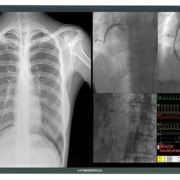
Over the last 60 years, medicine has made major advances in diagnosis, treatment and surgery. Radiography and Fluoroscopy imaging are essential to medical science. As a result, Original Equipment Manufacturers (OEM’s) need to deliver ever more sophisticated turnkey platforms for their systems which are dedicated to end-users. Thales has designed a platform that meets all of these needs.

ArtPix DRF, a unique Imaging Platform for Dynamic X-Ray applications

ArtPix DRF is an advanced imaging platform that helps OEMs bring Radio-Fluoroscopy systems to market by reducing integration, certification, time and cost through flexibility and reactivity. This increases customer gain by optimizing margins and has several key advantages such as image quality and design. The system is designed to deliver outstanding performance in fluoroscopy and radiography, enhancing radiology department workflow & productivity.

State of the art dynamic and static images

ArtPix DRF introduces a real 10-bit image pipeline and a set of unique algorithms based on parallel computing, providing real-time, full HD images as well as flexibility of adjustments on demand. Users can customise the imaging platform to suit their preferences, including user-interface, display configuration, image quality and room peripherals. A proprietary image processing allows adjustments according to the regions of the world, user experience expectations and preferences. 

Multiple advanced applications are embedded in this solution

ArtPix DRF is based on a user-friendly application that controls the generator and remote tables. For the physician, it also includes a patient vicinity controlled application to enhance treatment. The system offers increased value to OEM’s by featuring a vast choice of advanced clinical options such as: Tomosynthesis, stitching, radiation-less positioning, etc.

Integration and daily use are facilitated thanks to an intuitive setup, calibration and application

The setup, calibration, generator settings and stations can be easily configured by an X-ray technician guided by ArtPix DRF, allowing the system environment to be easily adjusted. Thanks to these options and the flexibility to change all of the configurations, time and money are saved by practitioners and therefore, a higher number of patients can be seen. The platform has been designed to tackle IT and patient information vulnerabilities. The system is compliant with the latest information security standards.

The people we rely on to keep us healthy rely on Thales to provide pioneering fluoroscopy solutions. Thales’ 60 years of experience in the domain, combined with its ability to remain at the forefront of innovation, has made the Group the leading choice for many radiological system manufacturers. With the launch of the world’s 1st 4343 panel dedicated to fluoroscopy in 2007, the company is perceived as a precursor in this domain. Nowadays, and thanks to its long term expertise, Thales is increasingly engaged in the development of image chain platforms in order to provide complete and efficient solutions for systems integrators and end-users. Discover ArtPix DRF at the ECR congress from 1-4 March 2018, Thales booth N°410 – Foyer D.

https://interhospi.com/wp-content/uploads/sites/3/2020/08/thales_2.jpg 450 718 3wmedia https://interhospi.com/wp-content/uploads/sites/3/2020/06/Component-6-–-1.png 3wmedia2020-08-26 14:17:292021-01-08 12:30:15ArtPix DRF, a unique Imaging Platform for Dynamic X-Ray applications

New frontiers in point of care diagnotics – trends in genetics, biosensors and microfluidics

, 26 August 2020/in Featured Articles /by 3wmedia

Almost precisely a decade ago, the US National Institutes of Health remarked that point-of-care (POC) testing might offer a paradigm shift towards predictive and pre-emptive medicine.
Recent advances in areas such as genetics testing, biosensors and microfluidics continue to enthuse proponents of such scenarios.
However, several challenges still need to be addressed, along the way.

Quicker, better and cheaper
POC testing, which simply means diagnostic tests are done near the patient rather than a clinical laboratory, provides diagnostic information to physicians and/or patients in near-real time. Samples do not need to be transported, or results collected.  Short turnaround times are accompanied by high sensitivity and a sample-to-answer format, as well as reduced costs to the health service.

Push-and-pull
Unlike many other medical innovations, the push of POC technology has been accompanied by a pull from users. Patients find POCs convenient and empowering. Many POCs allow them to monitor their health and medical status at home. Alongside the growing availability of medical information on the Internet, and other enabling technologies such as telemedicine, POCs also mark the coming of age of personalized medicine.

Classifying POC tests
POC tests can be broken down in terms of size/disposability and complexity. At one end are small handheld tests, above all for glucose, and lateral flow strips which determine cardiac markers and infectious pathogens, or confirm pregnancy. 
In recent decades, strip technology has been coupled to meter-type readers, typified by the now-widely used glucose meter.  Due to their compact nature, such POC tests are often specialized and limited in overall functionality. However, some can be quite sophisticated. New POC tests for early detection of rheumatoid arthritis, for example, require only a single drop of whole blood, urine or saliva, and can be performed and interpreted by a general physician within minutes.
On the other side of the equation are laboratory instruments, which have been steadily reduced in size and complexity. Recent launches include small immunology or hematology analysers. These POC tests provide higher calibration sensitivity and quality control and are used for more complex diagnostic procedures. Such devices have been accompanied by increasing levels of automation, which translates into increased speed. However, it also leads sometimes to challenges in training users.

Technology drivers
Three key technologies driving the POC market currently consist of genetic tests, biosensors and microfluidics. Combinations of biosensors and microfluidics have recently been developing at an especially dramatic pace.

Genetic testing
Traditionally, genetic testing involved DNA analysis to detect genotypes of interest, either for clinical purposes or related to an inheritable disease. However, results took days or weeks, limiting the applicability of genetic testing in a POC setting.

Emergence of molecular genetics
In recent years, molecular genetics has emerged as one of the most exciting frontiers for POC testing.  It detects DNA and RNA-level abnormalities that provoke and fuel most diseases. As a result, it offers precise diagnosis, determines the susceptibility of a patient to a specific disease and assesses his or her response to therapy. Molecular diagnostics can also establish a patient’s prognosis over time far more scientifically than what is often no more than a physician’s informed guess. 
One of the first POC gene tests was US biotech firm Cepheid’s GeneXpert, developed to detect the chromosome translocation associated with chronic myeloid leukemia. The small benchtop device provided results in less than two hours, with minimal manual labour involved.
Several companies have been developing tests to analyse genetic polymorphisms which influence the effectiveness of drugs. For instance, Spartan from Canada has developed a one-hour test to analyse CYP2C19, the cytochrome P450 enzyme that activates the antiplatelet inhibitor clopidigrel. Different alleles of the CYP2C19 gene can impair the enzyme’s ability to metabolize the drug, leading to major adverse reactions. Others are developing quick turnaround tests (below 20 minutes), for instance, to detect polymorphisms associated with warfarin response, in order to guide dosage.
These developments focus on analysing very specific targets, with clinical decisions based on a handful of expected results. POC testing in such contexts evidently saves time and permits faster patient care.

Gene sequencing: challenges and breakthroughs

The case is different when the POC effort involves sequencing a gene or a whole genome. This is largely because the interpretation of (otherwise-quick) results are still time consuming and need trained experts.
In spite of this, some innovators are confident about the opportunity for handhelds in genomic sequencing. MinION is a 90 gm handheld device, and is seen by its developer Oxford Nanopore as a first step to ‘anything, anywhere’ sequencing. MinION, which has been used in UK hospitals and in West Africa during the Ebola outbreak, performs nanopore-based sequencing within just a few hours.
There is much more, however, that remains to be smoothed out. MinION shows a high error rate compared to existing next generation sequencing (NGS) platforms and it is impractical for use with larger genomes.
As these kinds of POC genomic technologies continue to develop, other enabling innovations are also likely to make an impact. For example, some researchers have harnessed mobile phone technology for gene variation analysis and DNA sequencing. Its implications in a POC setting would clearly be massive.

Biosensors
As mentioned above, another technology driving POC diagnostics consists of biosensors.
Biosensors are biological materials, closely associated with a transducer to detect the presence of specific compounds.
A biosensor system consists of a biospecific capture entity to detect the target molecule, a chemical interface to control the system function and a transducer for signal detection and measurement. Transducers can be electrochemical, optical, thermometric, magnetic or piezoelectric. Their aim is to produce an electronic signal proportional to an analyte or a group of analytes.
The biospecific capture entity (typically whole cells, enzymes, DNA/RNA strands, antibodies, antigens) is chosen according to the target analyte, while the chemical interface ensures the biospecific capture entity molecule is immobilized upon the relevant transducer. 

Key requirements
One key requirement in a biosensor is selective bio-recognition for a target analyte, and the ability to maintain this selectivity in the presence of interference from other compounds. The selectivity depends on the ability of a bio-receptor to bind to the analyte. Bio-receptors are developed from biological origins (e.g. antibodies) or patterned after biological systems (such as peptides, surface- and molecularly-imprinted polymers).
The second requirement in a biosensor is sensitivity. This depends on a wide range of factors, such as the properties of the sensor material, the geometry of the sensing surface and resolution of the measurement system. One of the most important factors in this context is surface chemistry, used to immobilize the bio-recognition element on the sensing surface.

BioMEMS
In the field of POC, there has for some time been considerable excitement about biomedical (or biological) microelectromechanical systems, known by their abbreviation BioMEMS.
BioMEMS are biosensors fabricated on a micro- or nano-scale, resulting in higher sensitivity, reduced detection time and increased reliability. Reagent volumes are also reduced due to the smaller size of BioMEMS, which increases their operational cost-effectiveness.
The miniaturization inherent to BioMEMS means greater portability, which is of course a cardinal requirement for POC applications.
Next-generation POC systems are expected to go beyond diagnostics to advance warning, by ‘learning’ about patients (including vital signs such as heart rate, oxygen saturation, changes in plasma profile etc.), and discovering problems in advance through the use of sophisticated algorithms. Such monitoring systems are likely to comprise different types of wearable or implantable biosensors, communicating via wireless or 4G links to their smartphones and onwards to a medical centre. Such systems would dramatically reduce response time and make testing available in environments where laboratory testing is simply not feasible.

Microfluidics: lab-on-a-chip
Microfluidics, also known as lab-on-a-chip, miniaturize and integrate most of the functional modules used in central laboratories into a single chip. The technology is seen as a high-potential driver of POC diagnostics, not least in developing countries.
There are three principal families of POC microfluidic tests – lateral flow devices, desktop or handheld platforms and (emerging) molecular diagnostic systems. The systems range from zero-instrumented POC devices for the detection of pathogens to fully-instrumented equipment such as NGS sequencing and droplet-based microfluidics.
Microfluidic applications have grown at a dizzying speed, due to the inherent advantages and promises of the technology. These include the ability to manipulate very small volumes of liquids and perform all analytical steps in an automated format – from sample pretreatment, through reaction and separation to detection. Assay volumes are therefore reduced dramatically, while sample processing and readout are accelerated. Other salient features of microfluidics consist of parallel processing of samples with greater precision control, and versatility in formats for different detection schemes. These of course translate to greater sensitivity.

Technology trends
Key technology trends in the field of microfluidics, which have a direct bearing on POC use, include growing miniaturization, higher efficiency chemical reagents, accelerated sampling times as well as larger throughputs in synthesis and screening. As with BioMEMS biosensors, the advantages of microfluidics also consist of low device production costs and disposability,
Some researchers are looking at the commodification of microfluidics – for example, mass production by using inexpensive materials such as paper, plastic and threads, coupled to cost-effective manufacturing processes.
Paper has drawn the highest degree of attention, given that it is lightweight, biocompatible with assays and ecologically friendly.  In terms of operation, paper microfluidics is seen as an innovative means to escape the limitations of external pumps and detection systems. Flow in paper is driven by simple capillary forces. Another major advantage of paper is its application in colorimetric tests for detection by the naked eye.  Given the proliferation of smartphones equipped with high-resolution cameras, some experts view paper microfluidics becoming the tool of choice for POC diagnostics in developing countries.

Biosensor-microfluidics combinations: developing at a ‘violent’ pace
Efforts to merge biosensors with microfluidics have also been demonstrated since the mid-2000s. Progress has been encouraging. Last year, a University of Copenhagen research team, led by biotechnologist Alexander Jönsson and visiting Canadian scientist Josiane Lafleur, noted that the “marriage of highly sensitive biosensor designs with the versatility in sample handling and fluidic manipulation” offered by microfluidics promises to “yield powerful tools for analytical and, in particular, diagnostic applications.” Their article, ‘Recent advances in lab-on-a-chip for biosensing applications’, was published in the February 2016 issue of the journal ‘Biosensors and Bioelectronics’, and noted that areas where microfluidics  and biosensors converged was “rapidly and almost violently developing.” Nevertheless, the authors also found there is still much more to be done, with the observation that “solutions where the full potentials are being exploited are still surprisingly rare.”

https://interhospi.com/wp-content/uploads/sites/3/2020/08/IH158_POC-tech-trends_Tosh_thematic.jpg 533 800 3wmedia https://interhospi.com/wp-content/uploads/sites/3/2020/06/Component-6-–-1.png 3wmedia2020-08-26 14:17:292021-01-08 12:30:23New frontiers in point of care diagnotics – trends in genetics, biosensors and microfluidics

Cancer : new challenges lying ahead

, 26 August 2020/in Featured Articles /by 3wmedia

Cancer remains the second leading cause of death in Europe after cardiovascular diseases with approximately 3.5 million new cases diagnosed every year and an annual death toll of 1.5 million. However, the good news is that the trend of total cancer mortality levels is downwards for both men and women and also children for which the progress of 5-year leukemia survival has been spectacular.
Breast cancer provides a good example of this trend, being not just the most common female cancer globally but also the number one diagnosed cancer in Europe (13%). Its 5-year survival rate has more than doubled in 40 years, from 40% of patients in 1970 to 90% in 2013. Looking into the future there are also some encouraging signs for certain types of cancer, particularly cervical cancer as the full impact of the HPV vaccination programmes becomes measurable.
In Europe, some of the credit for these positive developments should go to the European Organization for Research and Treatment of Cancer (EORTC), founded in 1962. Over the years, EORTC’s clinical research has helped make significant progress in the treatment and management of cancer, evaluating new molecules, refining existing treatment regimens, identifying biomarkers and assessing patients’ qualify of life. In 2016, the EORTC research network counted more than 4850 physicians from about 870 institutions while patient accrual from 2000 to 2016 totalled over 89,000 patients in clinical studies.
The bad news is that the overall burden of cancer continues to increase not just because of progress in early detection but largely because of the ageing of the population (65% of new cancer cases are diagnosed in patients who are 65 or older). Also, smoking, particularly in women, is linked to a rising incidence of lung cancer.
There are still a number of challenges to be met if the promises of translational research and personalized medicine for cancer therapy are to be fulfilled. Effective coordination in Europe of advances in basic research and quality clinical research programmes is essential. New models of partnerships between academia and the pharma industry are also required as well as public funding for research on rare cancers. Prevention is paramount, though, as no cancer research will have a bigger and quicker impact than smoking cessation. Tobacco kills over one third of its users and studies have shown that smokers lose at least 10 years of life expectancy compared to non-smokers and that quitting smoking before the age of 40 reduces the risk of tobacco-related death by 90%.

https://interhospi.com/wp-content/uploads/sites/3/2020/08/BLPic_01.jpg 313 203 3wmedia https://interhospi.com/wp-content/uploads/sites/3/2020/06/Component-6-–-1.png 3wmedia2020-08-26 14:17:292021-01-08 12:30:27Cancer : new challenges lying ahead

IHF 2018: Better performance and quality through focused innovation

, 26 August 2020/in Featured Articles /by 3wmedia
https://interhospi.com/wp-content/uploads/sites/3/2020/08/IH171_IHF_page1.jpg 1500 1061 3wmedia https://interhospi.com/wp-content/uploads/sites/3/2020/06/Component-6-–-1.png 3wmedia2020-08-26 14:17:292021-01-08 12:30:10IHF 2018: Better performance and quality through focused innovation

Modalixx replaces all modality CRT’s

, 26 August 2020/in Featured Articles /by 3wmedia
https://interhospi.com/wp-content/uploads/sites/3/2020/08/47176_full-page-ad-210x297mm-Ampronix.jpg 1415 1000 3wmedia https://interhospi.com/wp-content/uploads/sites/3/2020/06/Component-6-–-1.png 3wmedia2020-08-26 14:17:292021-01-08 12:30:28Modalixx replaces all modality CRT’s

Production of Thermosensitive Chart Recording Papers and Accessories 2018

, 26 August 2020/in Featured Articles /by 3wmedia
https://interhospi.com/wp-content/uploads/sites/3/2020/08/47208_IHE-LESSA_01.jpg 933 643 3wmedia https://interhospi.com/wp-content/uploads/sites/3/2020/06/Component-6-–-1.png 3wmedia2020-08-26 14:17:292021-01-08 12:30:18Production of Thermosensitive Chart Recording Papers and Accessories 2018

The chief information security officer – new challenges, new responsibilities

, 26 August 2020/in Featured Articles /by 3wmedia

Hospitals depend on information to effectively manage and deliver health services. Given the unremitting escalation in cyber-attacks and patient data breaches at hospitals today, the role of the CISO (Chief Information Security Officer) has moved to centre stage.  
As their own responsibilities have expanded, hospital CISOs have also faced the need to understand perspectives of other boardroom leaders. These range from business practices to risk management, the economics and cost-benefit of security as well as legislation about privacy and liability. Indeed, some American hospitals refer to the CISO as Chief Information Privacy and Security Officer.

Data breaches and ransomware threats escalate
The frequency of reported data breaches at hospitals has grown especially sharply in the US. Over just two days in the middle of September this year, Children’s Hospital Colorado, Morehead Memorial in North Carolina and Georgia’s Augusta University Hospital reported security breaches which potentially affected personal health data of several thousand patients.
Europe has also seen its share of attacks. In May 2017, the National Health Service in Britain was hit by a ransomware attack which crippled the ability of some 16 units to access patient data.  In July, an insider breach at health insurance giant Bupa exposed data of 108,000 customers.
In France, over 1,300 attacks on hospitals and healthcare facilities were voluntarily reported to the Ministry of Health in 2016.

Scale of threat grows, so do delays in response
Nevertheless, a data breach scandal in another business sector depicts the sheer scale and impact of the phenomenon. In September, Equifax, a major US credit reporting agency, announced its IT systems had been compromised, potentially exposing credit card details, Social Security numbers, and other personal information for up to 143 million Americans.
Although critics of Equifax complained about the delay, the longest gap in discovery of a breach concerns Tewksbury Hospital in Massachussets, which took 14 years to discover that a clerk had been inappropriately accessing patient records since 2003.

The role of the CISO
Such events have propelled CISOs to the frontlines of information security, strengthening a trend that dates to the late-2000s.
In 2011, a PricewaterhouseCoopers (PwC) survey found that 80% of businesses had a CISO or equivalent, compared to less than half in 2005. Almost two-thirds reported to the Chief Executive or the Board of Directors, and the rest to a Chief Information Officer (CIO). 

60 percent of US healthcare facilities have CISO role

The situation in the healthcare sector has mirrored, if slightly lagged, this trajectory. In 2017, 71 percent of respondents to a US cybersecurity survey by HIMSS (the Healthcare Information and Management Systems Society) stated their organizations allocated a specific budget for cybersecurity.
Almost half said this was over 3 percent of the budget, while one in ten said the share was more than 10 percent. Another interesting finding from the HIMSS survey was that 60 percent of respondents said their organizations employed a CISO or senior information security leader.

The CISO in Europe
The above figures refer to the US. Europe is likely to be some way behind. Nevertheless, it too is catching up. In France, for example, the Association for the Security of Health Information Systems (APSSIS) made specific recommendations at a recent annual conference on the role of the CISO (known in French as ‘responsable de la sécurité des systèmes d’information or RSSI) and the need for close coordination with the CEO.
In the UK, HCA Healthcare, London’s largest private hospital group (including top facilities such as The Harley Street Clinic, Princess Grace Hospital and The Wellington Hospital) announced an opening for a CISO at the end of August 2017. The HCA described the CISO job as being “responsible for providing strategic leadership and operational oversight for the security of information technology and systems and Information Governance…” Specific tasks which were identified include risk assessment and management, patient privacy, development of policies, standards, procedures, and guidelines, as well as threat/incident response and corporate communications on security.

The CISO and compliance: ISO standards
CISOs are in fact responsible for information-related compliance in all business sectors. Compliance principally involves two information security frameworks published by the International Organization for Standardization (ISO) and the International Electrotechnical Commission (IEC).

IEC/ISO 27001:2013
The first, IEC/ISO 27001:2013 is a guideline with requirements “for establishing, implementing, maintaining and continually improving information security management.”  The second, ISO/IEC 27002:2013, is a standard, and provides implementation rules. It focuses on the confidentiality, integrity and availability of information; it also provides best practice recommendations. Both are applied internationally.

ISO 27799:2016 focuses on healthcare

Hospitals, nevertheless, face very specific information security challenges. These are embodied in another standard, ISO 27799:2016, to protect the confidentiality, integrity and availability of personal health information. This ISO standard provides implementation guidance for the controls in ISO/IEC 27002:2013 and supplements them where necessary, to make them relevant for health-specific information security requirements.

ISO 27799:2016 applies to information in the form of words and numbers, sound recordings, drawings, video or medical images, whether it is stored in print or in writing on paper or electronically. Also covered are the means used to transmit the information – by hand, through fax, over computer networks, or by post.
It is important to note that although ISO 27799:2016 and ISO/IEC 27002:2013 jointly define information security requirements for healthcare, they do not specify how these should be met. In other words, they are technology-neutral.

Differences between ISO and HIPAA
ISO 27799:2016 is, however, not a legal requirement unlike HIPAA (the Health Insurance Portability and Accountability Act) which regulates the security and privacy of health information in the US, though the two have much in common. Nevertheless, for hospital CISOs, the difference is a major factor.
The latest Data Breach Litigation Report from St. Louis law firm Bryan Cave reports 76 class action data breach lawsuits in 2016, up by 7 percent from the previous year.
However, these actions are potentially only the tip of an iceberg, with only 3.3 percent of publicly reported data breaches leading to litigation. What is more pertinent to hospital CISOs is the fact that 70 percent of publicly reported breaches related to the medical industry, with negligence accounting for 95 percent of all cases.

The Common Security Framework
In the late 2000s, an initiative known as the Common Security Framework (CSF) sought to become the overarching framework to comprehensively map different security standards and practices and provide a one-stop solution for hospitals and the healthcare sector. It was established by the Health Information Trust Alliance (HITRUST) – a US-led healthcare industry organization which has sought to ensure that information security becomes central to both the adoption of technology and the exchange of health data.

HITRUST in the US
HITRUST, in many senses, marks the coming of age of the CISO, in the US. Its founders consisted of CISOs from a broad range of healthcare actors, including Blue Cross Blue Shield, CVS Caremark,  Hospital Corporation of America, Humana and Kaiser Permanente, alongside top executives from Cisco Systems, Johnson & Johnson Health Care Systems and Philips Healthcare.
HITRUST has however yet to make any impact in Europe, where attention to healthcare information data security has been directed either to the electronic health record or included within the broader ambit of protecting personal data.

The Smart Hospital in Europe
Indeed, CISOs in Europe’s hospitals pay far greater attention to ISO 27799:2016 and ISO/IEC 27002:2013, with a leadership role at ISO taken by CEN, the European Committee on Standards.  Recently, this has been accompanied by recommendations from ENISA (European Union Agency for Network and Information Security).
As part of the so-called Smart Hospital programme, ENISA has specified good practices for hospitals, with explicit mention of the role of the CISO. Nevertheless, ENISA too takes cognizance of the central role of ISO and the “2700x series of standards.”

National initiatives
There are several national initiatives, too. In France, for example, APSSIS (the Association for the Security of Health Information Systems) has played a major role in charters to be signed by staff within territorial hospital groups (GHT), so as to make them aware of best practices in computer security.

In Germany, ZVEI (the German Electrical and Electronic Manufacturers’ Association) has published guidelines on the use of IT in medicine, including what it calls “secure medical subnetworks”. In February, ZVEI released a position paper on standards for the use of electronic products used in a medical setting and the legal obligations of operators using such systems.
One of the nightmare scenarios here is, of course, the likelihood of hacking of medical devices.  In 2016, Johnson & Johnson warned customers about a security bug in one of its insulin pumps , while St. Jude has sought to deal with the fallout of vulnerabilities in some of its defibrillators and pacemakers.

Health-specific experience
The issue of health-specific technical experience is now driving recruitment of hospital CISOs.  Healthcare has lagged sectors like banking or retail with regard to IT adoption. Indeed, even when hospitals began to implement IT, functionality rather than security was the priority. As a result, most hospitals have a back-office choking with legacy applications, often numbering in  the thousands. Knitting them into a secure architecture is hardly straightforward.
One consequence of such factors is an inadequacy in the number of IT professionals familiar with both healthcare and security. 

Training and certifications
To access the requisite talent, some argue for jettisoning the search for healthcare experience, and focus on hiring an experienced CISO from another industry, followed by training in healthcare issues.  Others favour the opposite – to look for talent in healthcare IT, but train them in security.
The College for Healthcare Information Management Executives (CHIME), and its affiliate, The Association for Executives in Healthcare Information Security (AEHIS) have launched programmes directed wholly at training hospital CISOs.
The CHIME Certified Healthcare CIO (CHCIO) programme, is in fact the first certification programme exclusively for CIOs and IT executives in the healthcare industry. CHIME members who have been in a healthcare CIO or equivalent position for at least three years and want to enhance their professional stature are eligible to become certified. Currently, over 400 IT professionals are CHCIO-certified. This level of figure is also endorsed in a professional forum like LinkedIn, which lists 240 CISOs at hospitals – out of a total of over 7,500.

For now, generally speaking, one is more likely to find CISOs at larger hospitals and academic medical centres in both Europe and the US. Mid-sized facilities still dedicate the CISO role to a CIO (Chief Information Officer), supported by IT staff who devote part of their time to security issues. Such a piecemeal approach is however fast revealing its limitations, as shown by the growing wave of cyberattacks.

https://interhospi.com/wp-content/uploads/sites/3/2020/08/IH156_chief-information-officer_Tosh_thematic_crop.jpg 371 800 3wmedia https://interhospi.com/wp-content/uploads/sites/3/2020/06/Component-6-–-1.png 3wmedia2020-08-26 14:17:292021-01-08 12:30:23The chief information security officer – new challenges, new responsibilities
Page 89 of 103«‹8788899091›»

Latest issue of International Hospital

April 2024

2 June 2026

DeepHealth achieves multiple regulatory milestones for Neuro, Prostate and LumbarMR

7 January 2026

Gulf Aorta Summit 2026 Returns to Dubai with a Global Lineup of Aortic Experts

17 December 2025

GE HealthCare receives CE mark for 128cm total body PET/CT

Digital edition
All articles Archived issues

Free subscription

View more product news

Get our e-alert

The medical devices information portal connecting healthcare professionals to global vendors

Sign in for our newsletter
  • News
    • Featured Articles
    • Product News
    • E-News
  • Magazine
    • About us
    • Archived issues
    • Media kit
    • Submit Press Release

Prins Hendrikstraat 1
5611HH Eindhoven
The Netherlands
info@interhospi.com

PanGlobal Media IS not responsible for any error or omission that might occur in the electronic display of product or company data.

Scroll to top

This site uses cookies. By continuing to browse the site, you are agreeing to our use of cookies.

Accept settingsHide notification onlyCookie settings

Cookie and Privacy Settings


How we use cookies

We may ask you to place cookies on your device. We use cookies to let us know when you visit our websites, how you interact with us, to enrich your user experience and to customise your relationship with our website.

Click on the different sections for more information. You can also change some of your preferences. Please note that blocking some types of cookies may affect your experience on our websites and the services we can provide.

Essential Website Cookies

These cookies are strictly necessary to provide you with services available through our website and to use some of its features.

Because these cookies are strictly necessary to provide the website, refusing them will affect the functioning of our site. You can always block or delete cookies by changing your browser settings and block all cookies on this website forcibly. But this will always ask you to accept/refuse cookies when you visit our site again.

We fully respect if you want to refuse cookies, but to avoid asking you each time again to kindly allow us to store a cookie for that purpose. You are always free to unsubscribe or other cookies to get a better experience. If you refuse cookies, we will delete all cookies set in our domain.

We provide you with a list of cookies stored on your computer in our domain, so that you can check what we have stored. For security reasons, we cannot display or modify cookies from other domains. You can check these in your browser's security settings.

.

Google Analytics Cookies

These cookies collect information that is used in aggregate form to help us understand how our website is used or how effective our marketing campaigns are, or to help us customise our website and application for you to improve your experience.

If you do not want us to track your visit to our site, you can disable this in your browser here:

.

Other external services

We also use various external services such as Google Webfonts, Google Maps and external video providers. Since these providers may collect personal data such as your IP address, you can block them here. Please note that this may significantly reduce the functionality and appearance of our site. Changes will only be effective once you reload the page

Google Webfont Settings:

Google Maps Settings:

Google reCaptcha settings:

Vimeo and Youtube videos embedding:

.

Privacy Beleid

U kunt meer lezen over onze cookies en privacy-instellingen op onze Privacybeleid-pagina.

Privacy policy
Accept settingsHide notification only

Sign in for our newsletter

Free subscription