

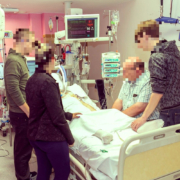
Visiting hours for hospitalized patients have traditionally been restricted to set periods during the day and limited in duration. However, the situation is slowly changing towards a more open approach to family visits, even in wards where visits are often most restricted, such as intensive care units (ICUs). As just a few examples of this general change in attitudes towards visiting, many American hospitals have now completely removed restricted visiting hours; a campaign of extended visiting hours was launched in France a few months ago; and a bill is currently being discussed in Italy to expand hospital visits.
by Prof Jean-Louis Vincent
Why restrict hospital visiting?
The reasons behind restrictive visiting are not very clear or, in today’s context, very credible. The fear of transmission of infection was perhaps the earliest reason for restricting visits, but with improved infection control measures, this concern is generally unfounded. Other suggested reasons include the need for patient to have adequate rest periods and the belief that visitors interfere negatively with medical and nursing care.
Because sick patients need rest?
It was widely believed that having periods of the day without visiting would ensure that patients had sufficient periods of rest, without disturbance from visitors. However, the need for sick patients to rest is often exaggerated. Indeed, this idea is now rather out-of-date, even for the sickest of patients. Although patients must clearly not be exhausted by their visitors, too much rest can encourage muscle weakness and prolong convalescence. When a family member says “doesn’t he/she need to rest Doctor?”, I often reply “certainly not; in fact you should wake him/her up!”. The current trend is to encourage physical and intellectual stimulation for all patients.
Of course patients need some time to sleep and rest, as we all do, but this can be determined on an individual basis, preferably after discussion with the patient, rather than being enforced at fixed times by restricted visiting hours. Moreover, the presence of a loved one in the room does not necessarily prevent restorative sleep. Rest is also important for family members and it is sometimes necessary to remind them to take a break, particularly at night. In any case, access to hospitals is generally limited during the night, for security reasons.
Because visitors interfere with patient care?
The presence of visitors was often believed to interfere negatively with medical care. Visiting hours were therefore concentrated on periods of the day during which patients were least likely to be undergoing medical consults or examinations. However, hospitals of today function almost continuously or at least with considerably more extensive hours than in the past, notably for laboratory and radiological investigations, making it difficult to predict when examinations and rounds are most likely to take place.
The presence of visitors was also often believed to hinder good nursing care, and perhaps much restricted visiting was devised for the benefit of nurses, rather than the patient. Nurses often complained that they were unable to perform the necessary care in the best possible way, because they were bothered by the presence of relatives, sometimes numerous and noisy, who asked a lot of questions, and were even critical of the care being provided!
However, it is now widely believed that extended visiting hours can be beneficial not only for the patient and visitors, but also for the staff. Staff members, especially nurses, are often initially reluctant to the proposed change to more extensive or unlimited visiting, concerned that it will increase their workload. But this is not necessarily true, and is in fact often the reverse. Allowing visitors to be present at different times during the day enables them to understand better the work of the nurses, doctors and other healthcare personnel. When visiting hours are restricted, nurses often make use of the visiting periods to have a small break, to catch up or even have a joke with their colleagues. This can sometimes give visitors the impression that nurses have nothing to do, or are not really concerned about looking after the patients under their care. By arriving at different times of the day and staying for longer periods, family members can better appreciate hospital life and realize that nurses also need some time for relaxation and distraction, thus reducing the risk of conflicts between family members and staff. Extending visiting hours also reduces the number of telephone calls from relatives asking after their loved one, thus freeing up nursing time.
Let’s welcome visitors
Importantly, fixed visiting hours can discourage relatives from visiting a patient. For example, it can be difficult for family members who are working to request time off during the day to be able to observe the fixed visiting hours; sometimes family members simply forget (or are unaware of) the specified times, especially when units have different hours on different days of the week, and have to go home having missed the allocated slot; similarly, visitors who have to travel some distance to visit their loved one may be put off by the risk of being late and missing the fixed visiting period. Finally it is sometimes just easier to say, “I’ll visit when they’re better and out of hospital…”
Rather than being made to feel that they are the enemy and not welcome, relatives should be encouraged to visit and be involved. We must not talk about “them” and “us”. The patient must be at the centre of our preoccupations at all times and we must all work together to ensure he/she has the best possible chances of a good recovery without complications. Family members and loved ones form part of the patient’s immediate supportive environment and can form a useful bridge between the patient and hospital staff. They can also play an active role in patient surveillance, for example by indicating to staff if there is a problem that has not been noticed or that the patient may not want to report. In certain American hospitals, pamphlets are now available to explain how relatives can identify and report important signs of deterioration, for example, confusion that wasn’t there before or a small change in respiration that has gone unnoticed.
Family members can even sometimes contribute directly to some aspects of patient care, for example helping with feeding, washing or dressing. Indeed, these practices are commonplace in countries with limited resources, where family members never leave the bedside. In western society, however, patient care has been completely transferred from the family to professional carers, which can sometimes lead to the patient feeling patronized or being treated like a child.
The hospital structure is also changing to be more welcoming for visitors. Instead of a few folding seats at the end of the corridor for relatives waiting while the patient is examined or comes back from an examination, many hospitals have now introduced reception rooms where relatives can stay as long as they wish, in comfortable conditions. In the United States in particular, hospitals have set up small kitchen-lounges where families can rest, prepare a meal in the microwave or watch television… and why not socialize, chat, share experiences with relatives of other patients.
Indeed, the hospital is no longer a detached world, which we are somewhat hesitant or even scared to enter. Hospitals are increasingly user friendly and should be seen as somewhere positive and welcoming. After all, many hospitals now have a cafeteria (if not a restaurant), small shops, a bank, a post-office, pleasant gardens… creating the idea that hospitals can be part of everyday life, and indeed are for the many patients and visitors that pass through the doors daily. Visitors can make use of these areas when their relative is undergoing an examination or receiving nursing care.
Family presence during interventions?
As families spend more time visiting their loved ones in hospital, the chances that they will be present when an intervention is needed are increasing, perhaps particularly on high acuity wards. But should they be allowed to stay in the room? Perhaps yes for a simple blood test or changing of a dressing, but what about during cardiopulmonary resuscitation (CPR)? This issue continues to raise considerable debate, not least because the patient needing CPR cannot be asked if they mind. Although some staff members find having family members present adds stress to an already complex situation, studies have suggested that the presence of a relative can help a surviving patient understand what has happened and, if the patient dies, having been present can reassure the family member that everything possible was done. This is an area where attitudes are changing and, if a family member wishes to be present during CPR, this request should not be refused.
The rights and responsibilities of visitors ….
Clearly, although visitors have the right to see their loved ones in hospital, they must also abide by certain rules. They must leave the room when asked to do so by the hospital staff and should not interfere with patient care. They should not slow the work of the nursing or medical staff by asking repetitive, unnecessary questions or by engaging in prolonged conversation. Importantly, too, visitors are there to visit only their relative/loved one and must not look, even surreptitiously, into the rooms of other patients!
… and the rights of the patient
On reflection, rather than asking whether visiting the sick patient is allowed, the question should rather be the reverse, whether the patient is allowed to see his/her relatives? Limiting hospital visits is generally harmful for the patient and opening up visiting is reported to improve patient satisfaction. By bringing news from the outside world, family, friends, pets, … visitors can stimulate a patient’s intellect and interest, helping promote a quick recovery. There is nothing worse than lying in bed all day just looking at the ceiling… But, it is important to consider the patient’s viewpoint when considering visitor access. For example, some patients may prefer to have only close family members visit, feeling embarrassed about less well-known friends and relatives seeing them unwell, and others may prefer not to discuss their condition when family members are present for fear of upsetting them. Patients have the right to see visitors whenever they wish, but should not have visiting forced upon them.
Conclusion
It is not so long ago that, when visiting a patient in hospital, an often rather officious nurse would announce the end of visiting hours and insist you leave your loved one. Such strict practices have become less common and there is much more flexibility, particularly on general hospital wards. We need to go further and extend open visiting to all areas of the hospital, including ICUs, where visiting still remains, in general, more restricted. In many cases, we should be actively inviting relatives to visit more and to stay longer, especially when the patient has few visitors and feels isolated. Visiting is humane and good for the patient.
If you still have restricted visiting hours at your hospital, I am sure this will change in the near future. I am not convinced that there should be a law on this subject, whether in Belgium, Italy or elsewhere, but rather a collective effort needs to be made to change our mentality related to visiting hours and thus improve the quality of care for our patients.
Suggested reading
Giannini A, et al. What’s new in ICU visiting policies: can we continue to keep the doors closed? Intensive Care Med 2014; 40: 730-33
Jabre P, et al. Family presence during cardiopulmonary resuscitation. N Engl J Med 2013; 368: 1008–18.
McAdam JL & Puntillo KA. Open visitation policies and practices in US ICUs: can we ever get there? Crit Care 2013; 17: 171
Shulkin D, et al. Eliminating visiting hour restrictions in hospitals. J Healthc Qual 2014; 36: 54-7
The author
Jean-Louis Vincent, MD, PhD
Dept of Intensive Care, Erasme University Hospital, Université libre de Bruxelles,
Route de Lennik 808, 1070 Brussels,
Belgium
jlvincent@intensive.org

Rupture of the coronary plaque surface, accompanied by the exposure of thrombogenic, red cell-rich necrotic core material, is one of the most important underlying mechanisms in acute coronary syndrome (ACS). After decades of idling, such plaques sometimes suddenly burst into this life-threatening condition. The rupturing occurs during the evolution of coronary atherosclerotic lesions, and is often accompanied by super-imposed thrombosis.
To date, the precise mechanisms involved in plaque erosion remain generally unknown. Coronary spasm is simply a universal suspect.
Prevention is therefore considered to be the only effective means for reducing the mortality and morbidity of coronary heart disease.
Coronary lesions that are prone to rupture have a distinct morphology compared with stable plaques, and provide a unique opportunity for non-invasive imaging to identify vulnerable plaques, before they lead to clinical events.
Plethora of terminology
The severity and prognosis of plaque rupture is characterized by a plethora of terminology. Plaque vulnerability describes the risk of symptomatic thrombosis in the short term, whereas plaque ‘activity’ remains ambiguous (referring to one of a wide variety of processes associated with progression).
‘Plaque burden’ is accepted to denote extent of disease. It is a measure of the extent of atherosclerosis, regardless of the cellular composition or activity of plaques. There are various ways to measure the burden: plaque volume, lesion-coverage of arterial surface – sometimes based on using computed tomography (CT) to measure coronary calcium score, or ultrasound to assess plaque area in the carotid bed. Given that atherosclerosis is multi-focal (and impacts upon the entire vasculature), a high plaque burden in one region (e.g. the lower limbs) may be a marker for advanced disease elsewhere. The highest concern on the latter consists of the coronary arteries due to their high degree of susceptibility.
Size is not everything
Rather than plaque size alone, the risk of rupture depends more on the composition and type of plaque, inter alia, richness in soft extracellular lipids – and macrophages. Indeed, structurally what is required for plaque rupture is an extremely thin fibrous cap. As a result, ruptures are usually minuscule and occur mainly at the periphery of the cap covering the lipid-rich core – among lesions clinically defined as thin-cap fibroatheromas. They have reduced tensile strength and are more extensible than intact caps, while the presence of collagen and smooth muscle cells is lower. In effect, as extracellular lipid accumulation progresses (usually due to external stress/triggers), the fibrous cap weakens and predisposition of a plaque to rupture increases.
Several other factors are also believed to play a concurrent role, among them inflammatory cell recruitment, macrophage formation, necrosis, matrix synthesis, calcification, arterial remodelling, etc.
The interaction between these factors is not only complex but variable too, as far as the development of plaque is concerned. This leads to unpredictable rates of progression and variable clinical outcomes.
Not all ruptures lead to ACS
Nevertheless, there are, once again, certain other issues in play with regard to the clinical relevance of vulnerable plaque detection. Most plaques remain subclinical and asymptomatic. Others elicit acute thrombosis and may lead to an acute coronary syndrome (ACS).
However, not all plaque ruptures cause ACS. Some develop obstructively (stable angina). Indeed, on its own, stable angina pectoris derived from atherosclerosis is rarely fatal without scarring of the myocardium – the latter can provoke an arrhythmia presenting as sudden cardiac death.
Confusion arises in other contexts too. For example, the presence of thrombosis is not the same as the occurrence of ACS. Indeed, some physicians believe that the majority of ruptures and erosions are asymptomatic in the short term, although they may sometimes lead to gradual coronary narrowing.
Nightmare for prognosis
This lack of clarity has proven to be a nightmare. ACS occurs only when vulnerable plaque, platelet activation and impaired fibrinolysis occur alongside inflammatory states. Such vulnerability may change with time, and it is these changing dynamics vis-a-vis stress/triggers which determines the exact moment and point of rupture. As a result, the non-invasive detection of vulnerable plaques is considered to be of great clinical relevance, especially in ultra-high risk patients.
At the cutting-edge
Currently, a host of new, non-invasive techniques are being harnessed to assess and predict the likelihood of coronary plaque rupture. Leading the way are computational fluid dynamics (CFD) and fractional flow reserve (FFR) methodologies. They are based on harnessing supercomputing capability to the analysis of CT angiography.
The high quality imaging and sub-millimetre resolution of modern computed tomography (CT) scanners allows characterization and quantification of lesions at accuracies unimaginable barely a decade ago. CFD supplements the functional information of CT-based plaque assessment by calculating lesion-specific endothelial shear stress and FFR. Such supplementation of functional information by quantified morphologic data about coronary plaques is considered to be one of the best means to detect vulnerable plaques.
FFR guided therapy
For patients with coronary calcification and hemodynamically significant obstructive disease, FFR has long been considered the best solution for guiding re-vascularization of lesions and improving outcomes. FFR provides an index of atherosclerosis and lesion significance, as measured with a pressure-sensitive angioplasty guidewire. FFR-guided therapy has improved patient outcomes, reduced stent insertions. However, it is used in less than one-tenth of cases due to procedural and operator related factors – above all, patient discomfort due to time and motion artifact as well as cost.
Coupling FFR to CT angiography
More recently, due to the developments in non-invasive CT imaging and the application of CFD modelling to CT angiography datasets, FFR can be derived non-invasively without requiring modification of standard CT angiography acquisition protocols or inducing hyperemia.
Such non-invasive FFR, moreover, has been shown to demonstrate excellent correlation with invasive FFR.
PLATFORM Study
One of the key studies investigating the impact of combining FFR and CT was called PLATFORM (the Prospective LongitudinAl trial of FFRCT: Outcome and Resource Impacts).
PLATFORM, which ran from the end of 2013 to 2015 at centres in the US and Europe, demonstrated improved patient selection for invasive angiography using a combination of coronary CT angiography (CCTA) along with fractional flow reserve CT (FFRCT). The so-called CCTA-FFRCT approach increased the chance of identifying obstructive coronary artery disease among those intended for invasive testing and held forth the promise of serving as an efficacious gatekeeper to invasive coronary angiography (ICA).
The findings were conclusive, with numbers presented by researchers at the European Society of Cardiology at London in 2015. The use of FFRCT in patients with planned invasive catheterization, they noted, was associated with a reduction in the rate of finding no obstructive CAD at ICA, from 73% to 12%. It also resulted in cancellation of 61% of ICAs.
Computational fluid dynamics
In effect, the adoption and translation of CFD modelling may be considered to have revolutionized cardiovascular medicine.
CFD is a specialist IT discipline bringing together advanced mathematics and fluid mechanics. Its roots lie in mission-critical/high-performance engineering systems. Much of its history is intimately connected to the aerospace industry, to enhance the accuracy of complex simulation scenarios such as transonic or turbulent air flows.
In medicine, the first-ever CFD investigations began in cardiovascular research, to clarify the characteristics of aortic flow in a degree of detail below the threshold of experimental measurements. Computer-aided design (CAD) models of the human vascular system were built using modern imaging techniques, coupled to rapid, economical, low-risk 3-D prototyping. The ensuing models precisely computed factors such as blood flow and tissue behaviour and response, taking close consideration of boundary conditions such as complex systemic/physiological pressure and ‘virtualized’ metrics such as wall shear stress.
CFD modelling has already revolutionized the development of devices such as stents, valve prostheses, and ventricular assist devices.
CFD is currently being translated into cardiovascular clinical tools for minimally-invasive application to a wide spectrum of coronary, valvular, myocardial and peripheral vascular diseases. One of the biggest advantages offered by combining high-resolution imaging with CFD is that unique patient-specific data can be juxtaposed into multi-scale, variable duration models to make individualized risk prediction and planning possible. This is directly opposed to registry-based, population-averaged data.
In the future, it is expected that the trend to ‘digital patient’ representation, combined with population-scale numerical models, will reduce cost, time and risk associated with clinical trials.
The massive processing power brought to play by CFD quickly led to the understanding that mechanistic forces of arterial wall shear stress (WSS) and axial plaque force acting on coronary plaques might be responsible for both the development of coronary plaque and its vulnerability to rupture.
For example, it is difficult to measure WSS, a key factor in the development of atherosclerosis and in-stent restenosis, without invasive procedures – with all the latters’ attendant risks and frequent futility. One study demonstrated that less than a third of patients with suspected obstructive coronary artery disease (CAD) showed its presence after invasive coronary angiography (ICA), while an even-smaller number had flow-limiting obstructive disease based on invasive fractional flow reserve (FFR).
In contrast, CFD models can both compute and map the spatial distribution of WSS, establishing links between haemodynamic disturbance and atherogenesis and explaining why atherosclerotic plaque tends to be deposited at arterial bends or bifurcations.
CFD modelling has also been central to comprehending the role of WSS in endothelial homoeostasis. While turbulent blood flow reduces WSS and stimulates adverse vessel remodelling, non-disturbed laminar blood flow seems to be associated with higher WSS – which reduces endothelial cell activation. In a March 2012 issue of ‘Circulation’, researchers from Johns Hopkins University School of Medicine, CVPath Institute at Maryland and the Mount Sinai School of Medicine in New York established that a complex series of WSS-related signalling pathways and interactions underlie the above phenomenon.
Though much more remains to be understood before such pathways can be exploited to their full extent to yield new anti-atherosclerotic therapies, few doubt that the way forward lies in further CFD models that combine dynamic fluid behaviour analysis with cellular response.
Other emerging techniques
Apart from CFD, other methodologies under consideration to quantify measurement of coronary plaque and lesions include the use of radio-frequency (RF) backscatter intravascular ultrasound. A prospective study in 2011 in the US known as ATLANTA sought to make the first-ever assessment of the accuracy of 3-dimensional, quantitative measurements of coronary plaque by computed tomography angiography (CTA) against intravascular ultrasound with radiofrequency backscatter analysis (IVUS/VH).
For the ATLANTA study, 60 patients underwent coronary X-ray angiography, IVUS/VH and coronary CTA. Plaque geometry and composition was quantified after spatial co-registration on segmental and slice-by-slice bases. The researchers found significant correlation for all pre-specified parameters by segmental and slice-by-slice analyses. Compositional analysis suggested that high-density non calcified plaque on CTA best correlated with fibrous tissue and low-density non calcified plaque correlated with necrotic core plus fibrofatty tissue by IVUS/VH.




Healthcare, like other services, requires getting appropriate expertise to the place where it is needed at the right time. Requirements like these become critical when a patient faces a sudden and unpredictable life-threatening condition. The latter is a near-routine occurrence in a hospital’s intensive care unit (ICU). Still, a host of factors make it impossible for clinicians to be present at every point in the ICU, all the time.
Early acceptance of robotic telepresence
Such shortcomings are sought to be addressed by ICU robots, one of the latest applications in the emerging field of ‘robotic telepresence’. The use of ICU robots, also referred to as teleoperated medical devices, is growing rapidly as a supplement for patient care in the ICU. In its early stages, healthcare providers were overwhelmingly convinced of their potential. In September 2012, for example, a survey of over 10,000 ICU robotic interventions in the journal ‘Telemedicine journal and e-health’ found 100 percent of practitioners considered the robot to improve both patient care and patient satisfaction.
Autonomous, optimised for ICU, hospital environment
ICU robots essentially provide access for physicians and other specialists to implement a variety of medical procedures round-the-clock, while reducing delays for difficult admissions or procedures.
The robots can be pre-programmed to drive on their own around an ICU, or this mode can be overridden and controlled by an individual, located on the premises, at a facility near by or thousands of kilometres away, via a keyboard or joystick.
The robotic sensors are optimized to perform in a hospital environment, enabling the robot to identify and avoid things like IV lines, cables and glass doors.
Plug-and-play for medical devices
The robot itself contains combinations of display types, microphones, speakers and cameras; these have pan-tilt and zoom capabilities, and are powerful and manoeuvrable enough to permit physicians to view fine details and listen to the smallest sounds.
Typical accessories in an ICU robot include an integrated electronic stethoscope to allow physicians to listen remotely to heart and lung sounds using earbuds. However, most Class II medical devices can be plugged into the robot, which streams data back in real time. On the other side, robots can also access digitized medical records of patients.
Recent innovations include a smartphone application, enabling physicians to access the robot’s camera. Another is ‘point and click’ navigation, by virtue of which a user can simply click somewhere on a map of the hospital and the robot gets itself there.
UCLA pioneers ICU robot
The history of ICU robotics dates to 2005, when the University of California at Los Angeles (UCLA) Medical Center became the world’s first hospital to introduce a robot in its neurosurgery intensive care unit under a US military-funded pilot project. The UCLA pilot saw intensivists (clinicians specialized in the care of critically ill patients) monitoring patients from their homes and offices.
The robot was RP-6, developed by California-based InTouch, a company known for its ‘auto-drive’ robotics technology used in defence and public safety. Controlled by a webcam and joystick over a broadband connection, the 65 inch (166 cm) wheeled robot boasted 8-hour runtime from a single charge. Onwards from 2006, InTouch offered hospitals an option to rent the RP-6 for USD 4,000 a month, or buy it outright for USD 120,000. Its earliest customers included Detroit Medical Center and Baltimore’s Sinai Hospital.
The iRobot-InTouch Health Alliance
Meanwhile, another US company iRobot (vendor of the robotic household vacuum, Roomba) set up a Healthcare Robotics division in 2009.
In 2011, iRobot and InTouch Health announced an alliance targeting healthcare. The next year they unveiled the RP-VITA (Remote Presence Virtual + Independent Telemedicine Assistant), a robot which went beyond simply providing remote interactive capability between a clinician and patients to a hugely-enhanced navigation capability, based on sophisticated mapping and obstacle detection and avoidance technologies tailored to a hospital environment. Its aim was to free the clinician for clinical tasks.
FDA clearance
The most revolutionary capability of RP-VITA was autonomous navigation, which was submitted to the the US Food and Drug Administration (FDA) for 510(k) approval. In January 2013, the FDA cleared RP-VITA, making it the first autonomously navigating telepresence robot in healthcare, with clearance for use before, during and after surgery and for cardiovascular, neurological, prenatal and psychological as well as critical care.
Demand driven by range of factors
The key drivers of demand for ICU robots today include time factors (urgency in ICU cases) and access (unavailability of ICU expertise) in remote areas. Both these are compounded by staff shortages.
There are fewer than 6,000 practising intensivists in the United States today and more than 5 million patients admitted to ICUs annually. A few years ago, Teresa Rincon, chair of the Tele-ICU Committee of the Society of Critical Care Medicine (SCCM) noted that the number of intensivists in the US was “not enough for each hospital to have one.” Indeed, it is estimated that only about 37 percent of ICU patients in the US receive intensivist care, although trained intensivists in the ICU correlates to better outcomes and decreased length of stay – both in the ICU and hospital.
The challenge of coma
In terms of urgency, the SCCM notes that up to 58% of emergency department admissions in the US result in an ICU admission.
Following admission, one of the major drivers of demand for ICU robots is coma. The reliable assessment of comatose patients is always critical. A hospital needs to quickly identify clinical status changes in order to determine and implement appropriate interventions.
In January 2017, the prestigious Mayo Clinic published results from a 15-month study of 100 patients, which is reported as the first to look specifically at telemedicine in assessing patients in coma. The results suggest that patients with depressed levels of consciousness can be assessed reliably through telemedicine.
Another urgent complication is delirium. Delirium incidence has been estimated at over 80% in critically ill patients. This is accompanied by a threefold increase in mortality risk, according to an oft-cited study in an April 2004 issue of the ‘Journal of the American Medical Association’.
Clinician availability
Medical emergencies like coma and delirium require the presence of highly qualified clinicians, but as discussed previously, real-life constraints limit their availability round-the-clock.
Access is another crucial consideration. Most hospitals simply lack the patient volume to employ full-time intensivists in fields like neonatology, while their availability is limited for the same reason in remote rural locations.
The tele-ICU
The first attempts to address such challenges were centred on telemedicine or Tele-ICU care, involving continuous surveillance and interactive care by offsite clinicians. This was achieved by video observation of the patient and interrogation of equipment, along with instructions conveyed to other ICU staff.
Although more studies are needed, there is evidence of an association of the Tele-ICU with lower mortality and shorter length of stay in both the ICU as well as the hospital. Another benefit is that a Tele-ICU enables stricter adherence to guidelines.
US leads the way
Europe was a relative latecomer to ICU telemedicine, with a near-total focus on teleconsultation and almost-total reliance on the US experience.
For example, Britain’s NHS refers extensively to US studies on ICU telemedicine in its own Technology Enabled Care Services (TECS) Evidence Database, while the University of Pittsburgh Medical Center has opened a Tele-ICU centre in Italy, which allows US physicians to perform remote consults for Italian ICU patients.
From telemedicine to robotics: business model turned around
In many senses, ICU robotics have been a natural successor to the Tele-ICU, albeit with a significant reversal in its operating model.
The Tele-ICU functions centrally. Rooms are hard-wired with high-resolution cameras and transmit data to a remote command centre staffed by an intensivist (tele-intensivist). The intensivist, who typically covers multiple ICUs, has access to the same clinical information (e.g. vital signs, lab values, notes, physician orders etc.) as the ICU bedside team consisting of nurses, respiratory therapists, non-ICU physician and transfers instructions to them via a two-way communication link. Robotics, driven by advances in technology and mobility, have made it possible for the Tele-ICU care model to become decentralized. The ICU robot is controlled wirelessly by the tele-intensivist, who is freed from a dedicated command centre, and can indeed be just about anywhere. The robot moves from room to room, examining patients based on instructions from the intensivist and interacting as required with staff. The latter interaction is now seen to be far more efficient, since it occurs only after the intensivist has given instructions on the procedures which need to be performed on a patient.
The cost factor
ICU robots seem to also address another major limitation of Tele-ICU, namely cost. Most studies on Tele-ICU have found that though the technologies deployed have been adequate, they have also been much too expensive.
In the US, some hospitals collided with reality, quickly and harshly, “removing tele-ICUs after outcomes failed to justify the costs.” A study in December 2009, in the prestigious ‘Journal of the American Medical Association’ also questioned a key maxim of the Tele-ICU, pointing to evidence that remote monitoring of patients in ICUs was not associated with an overall improvement in the risk of death or length of stay in the ICU or hospital.
Perspectives have been similar in Europe. For example, a Dutch study published in 2011 in the ‘Netherlands Journal of Critical Care’ concluded that hospitals were unlikely to see the “enormous” investment entailed by a tele-ICU as being cost-effective. Concerns about Tele-ICUs were also echoed the same year in Canada, where critical care clinicians, writing in the ‘Journal of Critical Care’ expressed scepticism regarding the ability of a Tele-ICU to address challenges of human resource limitation or even deliver quality care.
The personal touch
While a conclusive answer to the question of cost-effectiveness of OCU robots will require a larger user base, one powerful advantage seems to be the ability to target the eventual subject of the healthcare process, the patient. According to Paul Vespa, a neurosurgeon at UCLA’s David Geffen School of Medicine patients “interact with the robot as if it is a person.”
Steps to realize full potential
Before there is growth in numbers of ICU robots, some of the factors which will need to be addressed have been identified in a ‘Journal of Critical Care’ article in December 2013 by the Center for Comprehensive Access and Delivery Research and Evaluation, Iowa City, US.
These consist of formal training and orientation, identification of roles, responsibilities, and expectations, needs assessment, and administrative support and organization. Failure to adopt these, say the authors, will mean ICU robots may not see their full potential realized.
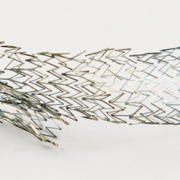
Although not commonplace, carotid artery stenting (CAS) is occasionally accompanied by the protrusion of plaque into the stent lumen, and a variety of ischemic complications during intra- and post-operative periods. Among these complications, plaque protrusion (PP) into the stent and thrombus on the stent after CAS are some of the most worrying for clinicians.
The correction of PP is achieved by additional post-dilations or stent-in-stent implantation.
First noticed in mid-1990s
The first observations of PP date over two decades and provided the impetus for embolic protection devices. In a paper published in the mid-1990s, a team led by Frank Veith, M.D (from the Mayo Clinic) suggested that restoration of flow and removal of protection devices might lead to the continuing break off of protrusions and provoke some delayed strokes.
Today, apart from PP, key causes of late in-stent stenosis seen in CAS include neo-intimal proliferation due to self-expanding stents as well as restricted post-procedural stent dimensions from inefficient balloon dilation.
The covered stent
One way to prevent PP is by covering the plaque with a stent graft. Covered stents also offer advantage in usability, without the need for distal protection devices in difficult internal carotid arteries, where a protection filter may be near-impossible to place. However, covered stents are accompanied by a high rate of restenosis. In one randomized trial in the mid-2000s, researchers at Vienna Medical University reported a 38% restenosis rate in patients treated with covered stents for carotid artery stenosis, while restenosis was absent in the bare stent group. The precise causes of high restenosis rates with stent grafts require further research. One suspected factor is the buckling of a covered stent’s proximal and distal ends and the prevention of endothelization.
Both symptomatic and asymptomatic events
During stent implantation, plaque disruption and distal migration of plaque particles may cause symptomatic or asymptomatic ischemic events, in spite of protection devices. These can be viewed on diffusion-weighted (DW) magnetic resonance imaging (MRI).
In some CAS cases, physicians encounter plaque particles filling filters leading to symptomatic cerebral embolism. This is particularly true with ulcerated plaque and severe stenosis. What is now of growing concern is that, after stent implantation, plaque protrusion into the lumen can lead to peri-procedural stent thrombosis, 30-day stroke, and late in-stent stenosis.
Stroke biggest complication
The biggest complication with carotid artery stenting is stroke. This can occur during CAS and for up to 30 days after the procedure. Although the cause of late stroke after CAS remains unknown, PP is generally suspected to be a key cause.
PP incidence is evaluated by IVUS (intra-venous ultrasound) and angiography, although as we shall see, there are variations in results based on methodology. The prognosis of PP (over a 30-day period) and the incidence of ischemic lesions (48 hours after CAS) are usually assessed by diffusion-weighted images.
The Tokai study
In recent years, one oft-cited report concerns a study by the Department of Cardiology at Tokai University School of Medicine (Isehara). The findings were published in October 2014 by the ‘Journal of Stroke and Cerebrovascular Disorders’. During their study, the Tokai researchers evaluated 77 CAS procedures, which were performed consecutively with IVUS between May 2008 and December 2012. All cases were distally protected with filter devices. The rate of PP was assessed at the end of each procedure using IVUS and angiography.
Six plaque protrusions (7.8%) through the stent struts were detected by IVUS but only two (2.6%) by angiography. One of the major predictors of PP was pre-procedural severe stenosis with flow delay. Overall stroke rate was 2.6% (major 0%, minor 2.6%), and these occurred in the catheterization laboratory. However, no late stroke was observed at 30 days after procedure.
One of the key outcomes of the Tokai study was that IVUS seems to detect plaque protrusion better than angiography. Since the adequate management of plaque protrusion is considered as a means to reduce stroke complications, IVUS usage is worth considering.
The Yao-Nara study
In 2017, results of another, broader Japanese effort by researchers at Ishinkai Yao General Hospital (Yao) and Nara Medical University (Nara) suggested different conclusions. The study, which was published in the April 17 issue of ‘JACC: Cardiovascular Interventions’, sought to clarify the frequency and prognosis of plaque protrusions in CAS by analysing data on 328 patients treated under IVUS guidance in the period 2007-2016, using different types of stents and embolic protection devices.
At 30 days, the rate of ipsilateral ischemic stroke was 2.8% and the rate of transient ischemic attack was 2.6%. There were no patient deaths. Moreover, in most stroke cases, symptoms were observed immediately after dilatation. New ischemic lesions were found in 35.7% of patients within 48 hours of the procedure, based on diffusion-weighted imaging (DWI).
Lack in lesion variation, but stent type matters, as does evaluation method
One of the most intriguing conclusions was the lack of difference in the incidence of new ischemic lesions, in terms of stable versus unstable plaques. Analysis by stent type, however, did indicate difference. There were more ipsilateral ischemic lesions with open-cell stents as compared to closed-cell stents.
The authors suggest the findings indicate a necessity to minimize PP “to prevent periprocedural ischemic stroke” and that the placement of open-cell stents with high radial force may disintegrate unstable plaque, causing protrusions. One strategy mentioned by the authors to manage PP is to perform IVUS to check for large-volume protrusions. The latter are then sought to be differentiated as being either ‘convex’ or ‘non-convex’. For the former, stent-in-stent placement is performed using closed-cell stents until the disappearance of the protrusion. In the case of ‘nonconvex’ protrusions, the authors recommend 5-10 minutes of observation, followed again by stent-in-stent placement should the protrusion enlarge, or clinical follow-up within 30 days after CAS in case of no enlargement.
As we observed previously, there are differences in PP incidence based on whether it is evaluated by angiography or IVUS. One of the most significant limitations of the Japanese study above was the occurrence of 27 cases of plaque protrusion on IVUS, but just nine cases on angiography. The study protocol required confirmation by both modalities.
Limitations to Yao-Nara study
In an editorial accompanying the study, William A. Gray, MD (Lankenau Heart Institute, Wynnewood, PA), cautioned that this two thirds difference “will clearly affect many of the subsequent associations and conclusions.” Gray also underlined that by treating plaque protrusion with stent-in-stent placement in approximately half of the cases, the researchers might have potentially changed the clinical and imaging outcomes. Furthermore, he cautioned, the study was not core-lab controlled, with no routine use of MRI before and after procedures, and that the assessors were not blinded. Finally, they did not mandate use of specific stents or perform independent neurological assessment of clinical outcomes.
As a result, the association between stent type and plaque protrusion is ‘likely’. However, it may not be as strong as the authors contend.
Such shortcomings are likely to be addressed when the Japanese effort is paired with emerging data showing reductions in both plaque protrusion and ischemic lesions via the use of mesh-covered stents. Gray agrees that this is strengthening the case for “improvements in stent design.” Indeed, emerging micromesh stent designs are expected to contribute greatly to prevention of plaque protrusion and may become a new standard for CAS.
SCAFFOLD trial
In the United States, the SCAFFOLD trial, led by Peter A. Schneider, MD, of Kaiser Foundation Hospital at Honolulu (Hawaii) is completing evaluation of a mesh-covered, open-cell heparin coated stent in patients at high surgical risk. The objectives are to make the first 30 days safer, with the understanding that reduced cell size equates to less plaque prolapse and fewer delayed events.
Other similar trials using different mesh technologies are also under way, and more are imminent. In Italy, for instance, University of Roma La Sapienza has begun a positive-control study to analyze and compare the rate of off-table subclinical neurological events in two groups of patients submitted to CAS with a close-cell stent, and a new mesh-covered carotid stent called C-Guard.
Overall, new parameters are coming into place, via stents with differences in pore size, flexibility etc. The drivers for such efforts range from new materials to a broad range of cardiovascular conditions. In France, for example, University Hospital Grenoble is conducting trials with Mguard, a stainless-steel closed cell stent covered with an ultra-thin polymer mesh sleeve, to prevent distal embolization during percutaneous coronary intervention in ST-segment-elevation myocardial infarction.
Case selection and stenting success
One of the observations of SCAFFOLD was that case selection for stenting was a key “to good clinical results.”
So far, patient selection criteria for CAS is largely based on surgical risk related to other co-morbidities. The morphology of the atherosclerotic plaque is given little attention, although studies have demonstrated the existence of extensive variability, which in turn confers specific risks for plaque vulnerability. Overall, the detection of unstable plaque on MR plaque imaging and the use of open cell stent are considered to be significant predictive factors of PP.
In recent years, there have been growing calls for devising best practices in peri-procedural management and follow-up, and for continuous feedback from clinicians to industry to improve stent design.
In general, achieving better outcomes of CAS is seen as the best method to solidify its place as a frontline treatment of carotid vascular disease.
One promising approach for patient selection and identification of plaque, has been the use of virtual histology intravascular ultrasound imaging (VH IVUS). Researchers have suggested a strong correlation between VH IVUS plaque characterization and the true histological examination of plaque following endarterectomy, especially in ‘vulnerable’ plaque types.
The results of one of the earliest efforts in this area were published in October 2007 in ‘The Journal of Endovascular Therapy’. This followed a prospective, two-arm study by the Arizona Heart Hospital & Translational Research Center. The researchers enrolled 30 patients.
In the first arm of the study, 15 patients underwent VH IVUS examination of carotid plaque with a cerebral protection device. This was immediately followed by carotid endarterectomy (CEA), and the comparison of ‘virtual’ with true histology (classifying plaque type by VH IVUS and histopathology in a blinded study).
In the second arm, 15 patients undergoing CAS had a preliminary VH IVUS scan performed with cerebral protection. Debris collected from the filter following stenting was examined histologically and compared with the VH IVUS data.
The diagnostic accuracy of VH IVUS to agree with true histology in different carotid plaque types was 99.4% in thin-cap fibroatheroma, 96.1% for calcified thin-cap fibroatheroma, 85.9% in fibroatheroma, 85.5% for fibrocalcific, 83.4% in pathological intimal thickening, and 72.4% for calcified fibroatheroma.

Prins Hendrikstraat 1
5611HH Eindhoven
The Netherlands
info@interhospi.com
PanGlobal Media IS not responsible for any error or omission that might occur in the electronic display of product or company data.