

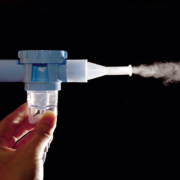
Novel drug delivery systems have been the subject of research for decades. This is because of a host of limitations with oral administration, the most widely-used route for administering medicine and challenges with several available alternatives. One of the most exciting new areas consist of pulmonary drug delivery systems, by which medication is delivered through the lungs. The harnessing of processes used in microelectronics and nanotechnology holds forth promise of a revolution in therapeutic medication.
The oral route: difficulties across generations, affects compliance
In spite of assumptions about convenience, oral dosage forms are not universally accepted. A recent study called ‘A Hard Truth to Swallow’ showed that over 55% of people, regardless of age or gender, faced “swallowing difficulties when taking tablets or capsules.” The study, by Spiegel Institut in Mannheim, surveyed 2,000 people in Germany and the US.
Surprisingly, although 44% of participants older than 65 years were affected, 70% of respondents in the 16–34 age group also reported problems – for example, with regard to swallowing, taste or odour, and irritation to digestive tract. This, in turn, clearly impacts on compliance.
The challenge of hepatic first pass metabolism
Broadly speaking, oral drug delivery faces challenges of low bioavailability and limits in the duration of therapeutic action.
A key problem consists of what is known as hepatic first pass metabolism (or pre-systemic metabolism). This is a phenomenon, by virtue of which the concentration of a medicinal product is reduced (in some cases, very sharply) before it reaches systemic circulation. Such a process involves the liver, to where a drug is borne from the gut wall via the portal vein, before reaching the rest of the body. The liver is biochemically selective and metabolizes drugs, in some cases to a massive extent, transferring only a part of the active ingredients to the circulatory system. As a result, there are marked differences in the effectiveness of oral drugs, due to variations in the degree of first pass metabolism.
IV administration
Bioavailability (BA) is defined as the proportion of an administered dose which reaches systemic circulation, and is considered one of the principal pharmacokinetic properties of drugs.
Given this, intravenous (IV) administration of a medicine means 100% bioavailability, which is why some consider IV administration to be a form of gold standard. The effects of IV medication are dependable. The entire administered dose immediately reaches systemic circulation. In turn, this allows for precise titration against a patient’s response.
However, IV administration has several limitations. It requires a functioning cannula, typically in a hospital, clinic or a patient’s bedsite – both due to procedural requirements as well as the need to avoid infections. Together, the latter entail that IV requires more staff and money. Finally, the process of cannulation can be distressing, especially in small children or those with needle phobias.
Indeed, even in a hospital setting, most IV patients are switched as soon as possible to oral therapy; the only exceptions are those critically ill or unable to absorb oral medications.
Injections, suppositories and topicals
Oral medications have sought to address some of their own inherent and long-evident limitations. These included slow- or extended-release formulations. However, as far as the issue of hepatic first pass metabolism is concerned, there is little reason to celebrate.
Instead, research has been focused on alternative routes of administration which, like IV, avoid first-pass effects, but do not necessarily require a clinical setting. Traditional alternatives include topical medications, intramuscular/subcutaneous injection and rectal administration via suppository drugs. Each of them continues to be investigated. All have pros and cons.
Topical administration is non-invasive and straightforward. It is also associated with significant patient satisfaction. However, most drugs have a high molecular weight and are poorly lipid soluble, and cannot be absorbed via skin or mucous membranes. Even when they are, the process is slow.
Injections have far better absorption profiles, and are preferred for drugs with low oral BA levels or those requiring a long duration of action, such as some psychotropic medications. Its onset is also more rapid than oral, or the topical route. However, absorption via injection can be unpredictable, when a patient is poorly perfused. Like IV, injections can also frighten children and needle phobics.
On their part, rectal suppositories also have good absorption since hemorrhoidal veins drain directly into the inferior vena cava, and thus bypass the hepatic metabolism challenge. However, although onset of action is fast, the duration of action is short. In addition the absorptive ability of the rectum mucosa is lower than that of the small intestine. Finally, rectal administration can provoke inherent feelings of resistance or revulsion, especially in adults.
Pulmonary delivery: the promise
In the light of all these, pulmonary drug delivery systems (PDDS) may offer a promising new alternative.
PDDS offers extremely fast absorption and onset of therapeutic action, due to the large surface area of the respiratory endothelium and its thinness. The plasma profiles after PDDS closely duplicate that of IV. As a result, it serves to reduce dose size and dosing intervals. This also helps to diminish side effects.
Aerosols and intra-tracheal inhalations
PDDS administers drugs to the lungs via the nasal or oral route, using two techniques: aerosol and intra-tracheal inhalation.
Aerosols provide more uniform distribution and greater penetration into the peripheral (alveolar) region of the lung. However, aerosol delivery is expensive. It also faces difficulty in measuring precise dose, when inside the lungs
Intra-tracheal inhalation (or instillation) is a much simpler and cheaper process than aerosols. It uses a syringe to deliver a medicated solution into the lungs. This addresses one of the major problems with aerosol delivery – to quantify the amount of drug delivered into the lungs.
Particle aerosol inhalers, in particular, are now increasingly commonplace for treating respiratory disease. Nebulizers, dry powder inhalers (DPI) and pressurized metered dose inhalers (pMDI) allow for local delivery of high concentrations of therapeutics in the lung, in many cases avoiding toxicities associated with oral or even injectable therapies.
Together, pMDIs and dry powder inhalers (DPIs) are estimated to deliver more than 90% of inhaled medications.
New PDDS applications
PDDS has also established its utility in emergency situations, given its absorption advantage.
One of the highest opportunities in PDDS is seen for macromolecules such as peptides and proteins, which usually need to be administered via injections (e.g. insulin). However, more experience with PDDS is required, especially about potential side effects after routine use.
Challenges for PDDS
PDDS, however, still faces limitations.
The first is that the particles which are to be inhaled need somewhat precise and reproducible aerodynamic factors related to diameter and density, as well as velocity, in order to successfully transit the nose and mouth and their filtration systems – which are designed to keep such matter out. As a result, there is always a certain degree of deposition of drugs in the nasal and oral passage.
Secondly, once in the lungs, the particles must overcome the pulmonary phagocytic barrier to release drugs at the required rate in order to achieve the intended therapeutic effect. For successful PDDS, designers must take careful account of properties such as pH value, ionic strength etc. which can affect the release of the drug, and thus its therapeutic effects.
Finally, PDDS is always accompanied by wastage of the drug. Due to material limitations of physics, a significant part of the drug is retained in the container.
As a result, pulmonary drug delivery remains inefficient, sometimes strikingly so. In spite of the growth in their availability, dose delivery efficiencies for dry powder asthma inhalers is estimated at just 3-15% for children and 10-30% for adults. The most advanced pMDIs deliver just 60% of inhaled material to bronchial airways. These were some of the findings in a review entitled ‘Targeted drug-aerosol delivery in the human respiratory system’, published in a 2008 issue of the ‘Annual Review of Biomedical Engineering’.
Lessons from microelectronics manufacturing
In recent years, researchers have sought to address some of the key challenges of PDDS.
These, as we have noted, concern aerodynamic factors such as diameter and density of the particles.
Conventionally, pharmaceutical aerosols for DPIs are manufactured by milling (micronization) or spray drying techniques. These lead to wide particle size distributions and limited control over particle shape. Additional challenges include the need for non-agglomerating powders with the active ingredients, especially when they concern products such as proteins and monoclonal antibodies.
Recently, some manufacturers have sought to learn from the microelectronics industry by seeking to generate high-precision aerosol particle-based respiratory drug delivery systems. Such particle engineering techniques have shown special promise for targeted pulmonary delivery, when combined with inhalable nanoparticles, especially in solid-state dry powders.
PRINT and nano-particles
One leading example is called PRINT (Particle Replication in Non-Wetting Templates) which co-opts the precision and nanoscale spatial resolution in lithographic techniques used by the microelectronics industry, to provide unprecedented control over particle size and shape.
A 2013 edition of ‘Angewandte Chemie International Edition’ describes PRINT as “a continuous, roll-to-roll, high-resolution molding technology which allows the design and synthesis of precisely defined micro- and nanoparticles.”
PRINT’s micromolding enables the formulation of particle systems of small molecules, biologics and oligonucleotides – all of which hold special promise for next-generation therapeutic PDDS applications. In itself, the technique is highly versatile and is also being researched for application to oral and topical dosage forms.
The PRINT manufacturing process has begun to be tested for clinical applications. In the US, Liquidia Technologies and Accelovalence have completed Phase I and II studies to use PRINT to produce GMP-compliant bioabsorbable particles that improve the immune response and efficacy of seasonal influenza vaccines, at a scale relevant to clinical development.
Other approaches: iSPERSE
Other research efforts focus on chemistry. For example, another US firm, Pulmatrix, has recently been awarded a patent in Europe for iSPERSE, a PDDS systems based on proprietary cationic salt formulations which can accommodate high drug loads and large drug molecules in highly dispersible particles, in a manner claimed to be both robust and flexible enough to accommodate multi-drug formulations. The advantage of iSPERSE is that it has shown superior delivery capabilities compared with conventional dry powder technologies which use lactose blending or low-density particles.
Emerging markets: major new opportunities
Such efforts are likely to be rewarded given the large number of blockbuster respiratory products going off-patent – with growing demand in the developing world. In Latin America, for example, COPD deaths have risen by 65% in the last decade, while figures indicate 12 million people affected by the disease in India. In China, in China, chronic respiratory diseases have become the second leading cause of death.
We have seen that the generic capsule-based dry powder inhaler (DPI) segment in developing markets shows a lot of promise and demand is rising. However, when it comes to these products, patients in developing markets have not been best served by strategies employed by major pharmaceutical companies in the US and Europe, which have developed DPIs customized exclusively for one specific active pharmaceutical ingredient (API).

Conventional or B-mode ultrasound has been used as a diagnostic imaging tool for over four decades. Over the last few years, however, ultrasound systems have witnessed a blizzard of developments in their underlying technology. This has catalysed a significant change in the patterns of ultrasound usage vis-a-vis other, older imaging modalities, especially in terms of concerns about the latter – for example, radiation risk in X-rays and computer tomography (CT), and cost for both CT and magnetic resonance imaging (MRI).
Technology drivers
The ultrasound market is largely driven by innovations in underlying technologies and more sophisticated software algorithms, which allow manufacturers to offer smaller, more powerful and complex systems.
Key developments include an acceleration in processing speed and enhancement in the quality of diagnostic images – coupled to advances in contrast-enhanced imaging and precision in the timing of image capture. This has been accompanied by a sharp reduction in noise-to-signal ratios in the final data to optimize spatial, contrast and temporal resolution, including rotatable views for better visualization.
GE’s cSound technology, for example, offers CT level image quality based on advanced algorithms that capture much larger amounts of data than possible previously (by some estimates, about a DVD worth of data per second). The technology also makes pixel-by-pixel selections of the most precise information to display.
Developments in transducers, beam formation
Ultrasound has also made quantum leaps in factors such as transducer sensitivity and beam formation. For example, line-by-line imaging in beamformers has been replaced in some systems by large zone acquisitions, allowing users to view examinations in greyscale and colour Doppler. Meanwhile, retrospective imaging makes it possible to process raw data multiple times, while retention of channel domain data allows for patient-specific imaging.
Because of all the above, clinicians are able to use ultrasound to image blood perfusion and blood flow in vessels with diameters of 2 mm and less, with small vessel beds displayed via Doppler flow false-colour 3-D or greyscale reconstructions. The result is better assessments of organ perfusion, which have traditionally been difficult on ultrasound.
Commodification trends
Take-up of ultrasound has also been recently boosted by a growing commodification trend. Certain categories of ultrasound have become relatively inexpensive, mobile and less demanding of power. Mobility-related innovations include portable hand-held devices, and more recently, the world’s first wireless transducer. Even some low-end machines are now enabled for full bi-directional communication with electronic medical records.
As healthcare reforms and budgetary pressures favour use of cost-effective solutions, this has led to especially sharp growth in the use of low- and mid-range ultrasound systems. It is now commonplace, for example, to see ultrasound systems in a recovery room, next to hospital beds, or equipping NGOs at health outreach projects in developing countries.
For many hospitals, this kind of product/technology mix makes sense, since not all patients require the sophisticated features offered by high end machines, while their smaller, inexpensive counterparts provide solutions for an everyday challenge faced by most hospitals – workflow bottlenecks.
High-end remains motor for new applications
At the other end, the high-end segment is leading innovation not only in ultrasound technologies, but driving the overall medical imaging market, too. Despite their cost, the advanced features of premium systems have moved ultrasound well beyond traditional applications such as ob/gyn to interventional cardiology and internal medicine. Several ER clinicians, for instance, now routinely utilize ultrasound for echocardiograms and abdominal imaging, while radiologists and surgeons use it to guide needle placement or perform bone sonometry.
Some cutting-edge areas – such as matrix transducers – remain ensconced in the premium category. Matrix transducers have direct relevance to two fast-emerging applications, namely volumetric ultrasound and 3-D/4-D applications.
Key developments
Given below is an overview of key recent developments in ultrasound systems.
Mobility and Ergonomics
Ergonomics and mobility are being addressed by vendors in order to differentiate their systems and grow user volumes. Some surveys suggest that over three out of four of ultrasound users experience work-related pain, with a fifth of these suffering a career-ending injury.
New-generation ultrasound systems stand out in terms of design. Most are noiseless to permit sonographers to minimize distraction and focus on the exam, with settings customized and organized depending on clinical preferences.
Some have slanted bodies to prevent users hitting their knees or feet on the machine, with keyboards that can be raised or lowered depending on user height, probes that are shaped to the human palm and rotatable LCD monitors for sharing the display with colleagues. Other innovations include the possibility of use in both sitting and standing positions, with memory features to accommodate different users.
Some recent ultrasound machines have tablet-sized touchscreen-based interfaces, which significantly reduces the reach and steps (in some cases by 15-20%) in order to start and complete an exam. This enables faster workflow. Touchscreens allow users to tap in order to start functions, pinch and drag to zoom in and out, and swipe to expand the image. Some vendors offer exam presets, with several enhanced functions such as continuous wave Doppler or transducers.
Miniaturization
As discussed below, there is an increase in the use of ultrasound as an alternative to CT and MRI in many point-of-care (PoC) settings. One of the reasons for the trend is mobility as well as increasing miniaturization. Smaller ultrasound machines provide solutions to concerns about cables or wheeling bulky machines around patient rooms, and address tight space demands in key hospital settings such as the operating room. Compact models can be transported by being wheeled or atop a cart.
In some cases, smaller portable machines can also be moved between departments within a hospital or clinic – on a user’s back.
Enhanced quality drives ultrasound to point of care
Ultrasound images today are available with far-higher resolutions than in the early 2000s, when most physicians were used to pictures being fuzzy. One of the key reasons is enhancement in real-time computer processing of images.
Superior image quality has also driven ultrasound to the point-of-care (PoC) setting – both for diagnostic and interventional procedures. PoC ultrasound is now widely available in operating theatres and emergency rooms. Between 2010 and 2013, anesthesiologists are reported to have doubled the use of ultrasound procedures, and ultrasound is also far more common today in certain interventional procedures such as image-guided biopsies and ablations, previously dominated by CT and MRI.
Volumetric ultrasound development
Volumetric ultrasound allows superior characterizing of tissue and the performance of procedures with far greater accuracy.
Ultrasound was previously only able to capture a single imaging plane, but it can currently acquire volumes. This is because transducers which enable the acquisition of real-time volumes of tissue and allow imaging in multiple planes such as the transverse and sagittal have recently become available. For instance, transducers can detect the altered speed of high-frequency sound waves through adipose layers versus other tissue, and make the system aware of increased adipose content.
Though several new-generation transducers remain expensive, in areas where they make a difference, the added price tag is becoming justified. For instance, high-resolution matrix transducers are finding use in interventional cardiology applications such as trans-esophageal echocardiogram (TEE) and 4D imaging.
3-D/4-D imaging
While 2-D continues to be widely used in clinical applications, recent technological advances such as matrix transducers have been enabling factors and triggered interest in 3-D and 4-D ultrasound.
3-D/4-D ultrasound has a more rapid acquisition rate of datasets and subsequent improved image visualization.
4-D imaging consists of the three spatial dimensions as well as the element of time. It projects a cinematographic, motion picture view of an organ or a specific part of an organ, and is emerging as the next generation in advanced imaging.
In combination with advanced visualization functions, 4-D ultrasound aids complex surgical applications and interventional procedures. Multiplanar reconstructed (MPR) images are now available for review in the same manner as CT and MR scans.
Leading imaging vendors already offer 4-D imaging products – across all modalities, PET/CT, MRI and ultrasound. However, 4-D ultrasound is capturing a great deal of interest in applications where ultrasound has already made a case for itself, due to cost, mobility or radiation concerns.
The close connection between 4-D and ultrasound dates back to cutting edge efforts in the early 1980s, when a Duke University team determined that although MRI was faster, ultrasound was the closest to “achieving 3D real time acquisition.” The researchers, led by Dr. Olaf von Ramm, developed a single-transmit, multiple-receive ultrasound scanner called Explosocan to increase data bandwidth.
Elastography
One of the most revolutionary technologies in ultrasound consists of elastography, which utilizes B-mode ultrasound to measure the mechanical characteristics of tissues, which are then overlaid on the ultrasound image. This provides physicians the ability to view stiffer and softer areas inside of tissue, with image quality and clinical outcomes equivalent to X-Ray, MRI, and CT.
Elastography techniques include strain elastography and shear wave elastography (SWE). It has begun proving its use in the characterization of thyroid nodules, lymph nodes and indeterminate breast lumps as well as the detection of prostate cancer. None of these were achievable via conventional ultrasound.
The application which has generated maximum attention is liver fibrosis staging. Biopsies are not only invasive but carry bleeding and infection risks. Elastography, which can be repeated as often as required, is being seen as a way to get the data needed by clinicians to diagnose and stage liver diseases without the associated complications. Elastography is also used to predict complications in patients with cirrhosis.
SWE in particular is also seen as a tool to assist in earlier detection of conditions such as Hepatitis C, and both fatty liver and alcoholic liver disease. Alongside lab studies, it offers a means to closely monitor the impact of treatment and assess if the liver will normalize. For many hepatologists, fighting a liver condition before Stage 4 cirrhosis provides a good chance of reversibility.
SWE can also provide information on which Hepatitis C patients might benefit from viral therapy.
From smartphone apps to AI: the future
App-based ultrasound have recently been showcased. These use transducers connecting via a USB port to a mobile device and a downloadable app. The transducer performs data acquisition, processing and image reconstruction. The result is an ultrasound feature in a consumer-grade smartphone.
Some vendors have launched artificial intelligence systems to enhance speed and automatically take image volume data from 3-D echo to recreate optimized diagnostic views. In cardiac echo in particular, the result offers major potential by permitting reproducibility of imaging.
Nevertheless, such cutting edge technologies are still in their infancy. Only time and user experience will determine their eventual success.
There are growing concerns about an unfortunate but often-unavoidable scenario in modern medicine. Although the latest generation of drugs has improved patient survival for a vast array of diseases, the prolongation of life is often accompanied by a sharp increase in the probability of adverse effects of medication. Treatment of one disease can provoke or complicate another.
Clinicians, of course, focus on the more urgent and life-threatening condition. However, the choice is neither always straightforward or easy. In certain cases, there are both short-term complications and long-term consequences.
One major area of attention in recent years is cardio-oncology (or onco-cardiology). This concerns the development of heart problems in patients treated for cancer. In cancer survivors, years or even decades could elapse after chemotherapy or radiation, before the emergence and detection of problems.
Origins in anthracycline side effects
The origins of ‘cardio-oncology’ date back to the late 1960s/early 1970s, when the use of anthracycline anti-cancer medication began to be associated with cardiac dysfunction – a major side effect.
Anthracyclines like doxorubicin are commonly used in the treatment of solid tumours (e.g. breast cancer, osteosarcoma) and hematologic malignancies (acute lymphoblastic leukemia, Hodgkin- and non-Hodgkin lymphoma etc.)
A variety of studies beginning from the late 1990s through to the late-2000s found the risk of congestive heart failure (CHF) with high cumulative dose of anthracyclines ranging from 3-5% with 400 mg/m2, 7-26% at 550 mg/m2, and 18-48% at 700 mg/m2. Since then, better management of total anthracycline dose has seen CHF reduced significantly.
However, given two demographic factors (growing incidence and survival rates of cancer patients in a high-risk ageing population), the number of patients with cardiac complications remains elevated and is likely to grow further in the coming years.
Cardio-toxicity near-universal for anti-cancer drugs
Though breakthroughs in cancer research have led to therapies selectively targeting malignant cells, many new treatments too continue to cause problems with the heart. In reality, virtually all anti-cancer agents are associated with a significant degree of cardio-toxicity These range from direct cytotoxic effects and cardiac systolic dysfunction, to ischemia, arrhythmias, pericarditis and repolarization abnormalities.
The tyrosine kinase inhibitor, Trastuzumab, for example, also affects cardiac function. Indeed, the HER2/ErbB2 protein in certain breast cancer cells targeted by trastuzumab plays a major role in the myocardium, and it was the occurrence of severe cardiac side effects with trastuzumab which led to the recent revival of serious interest in cardio-oncology.
Other challenges are also seen with newer cardiac agents such as imatinib and bevacizumab. The first contributes to cardiac decompensation by altering preload through fluid retention, while the latter achieves the same effect by alteration afterload through hypertension. Ifosfamide is associated with arrhythmias, while 5-cisoplatin and the anti-metabolite 5-fluourouracil cause cerebrovascular disease.
Type I and II cardio-toxicity
Since 2005, physicians have been using a classification model to define and distinguish between two types of cardio-toxicity.
Type I results in the direct and irreversible damage to the cardiomyocyte, principally in a dose-dependent manner. Anthracyclines are a good example of Type I cardio-toxicity.
Conversely, Type II cardio-toxicity entails cardiac dysfunction with less prominent structural injury or irreversible cell damage. Crucially, it does not exhibit dose dependency, is usually transient and carries a better prognosis. Trastuzumab is associated with Type II cardio-toxicity .
No rest for the heart
Overall, the heart is especially vulnerable to cancer treatments. Cardiac cells are incapable of division or regeneration. They lack sufficient ability to heal if damaged, especially if active – an especially poignant issue since the heart in a living person never rests totally/stops beating. Cardiac cells are also highly sensitive to stress. Disruptions can impact the heart in a negative fashion and do so significantly. Such stress and disruption can be caused by medications, not least against cancer.
An understanding of onco-cardiology will therefore be critical for effective, long-term care of cancer patients, and there is growing recognition that cardiologists should be involved or consulted when cancer drugs are given to patients.
There already are some promising results due to such involvement. Cardio-toxic effects of chemotherapy seem to be decreased by the concurrent use of angiotensin-converting enzyme (ACE) inhibitors, angiotensin receptor blockers, or beta-blockers. Anti-platelet or anticoagulation therapy offer improvements in outlook for cancer patients with a potential hyper-coagulable status, associated with chemotherapy.
Cardiac risks of radiation therapy
Medication is however not the only problem.
Radiation therapy too is associated with all-inclusive involvement of the heart (myocardium, pericardium, valves and coronary arteries) and leads to accelerated atherosclerosis in the great vessels and fibrotic changes to the valves, pericardium and myocardium. However, reduction in left ventricular ejection fraction (LVEF) and development of congestive heart failure (CHF) is considered to be one of the most serious problems and has consequently drawn maximum attention. Confounding the problem is one of lead-lag. For most patients, such effects can appear only after a decade or more following radiotherapy.
New approaches
Once again, new cardio-oncological approaches are seeking to improve longer-term outcomes by reducing the dose of radiation to the heart in cancer patients. Included here are techniques such as intensity-modulated radiation therapy, proton beam therapy, breath-hold techniques and prone positioning, as well as 3-D treatment planning with dose-volume histograms to precisely calculate both heart volume and dose.
The so-called normal tissue complication probability (NTCP) model takes account of the dose and the volume of normal tissues subject to radiation exposure and can be used to make a correlation between a given dose and the risk of cardiac mortality, over a period of 15 years.
Cardiac disease as a therapeutic barrier to cancer
Given the growing connection between today’s cancer survivor and tomorrow’s heart disease patient, many hospitals have begun to dedicate multidisciplinary programmes focused on cardio-oncology. Their aim is to proactively, and sometimes aggressively, balance benefits of cancer treatments against the risks of adverse cardiovascular effects. Though the immediate goal is to improve outcomes for cancer patients with cardiac challenges, eventually, cardio-oncology seeks to eliminate cardiac disease as a barrier to effective cancer therapy.
Some cardio-oncology programmes emphasize the need to consider cardiovascular health in the shortest possible interval of time after a cancer diagnosis. The objective is to not just manage complications as they arise, but assessing and mitigate cardiovascular risks, in both acute and chronic terms, to optimize long-term outcomes.
On their part, cardiologists are expected to stay abreast of all current and emerging cancer therapies – in terms of their cardio-toxic effects. This will allow them to recommend concurrent heart-protective interventions and establish a tailored approach to cardiac therapies for cancer patients.
Detecting cardio-toxicity with echocardiography
There are currently several approaches for the detection of cardio-toxicity and cardiac function. The most commonly used is 2-dimensional echocardiography (2-D echo), to identify anthracycline-induced cardiomyopathy based on left ventricular ejection fraction (LVEF) parameters. One recent study at the European Institute of Oncology in Milan, on a mainly breast cancer population treated with anthracyclines, used standard 2-D echo for prospective and close monitoring of LVEF over the first 12 months after completion of chemotherapy. The technique provided early detection of almost all cases of cardio-toxicity (98%), and prompt treatment led to normalization of cardiac function in most cases (82%). In other words, LVEF at the end of chemotherapy was an independent predictor of further development of cardio-toxicity.
However, only 11% of patients made complete recovery (with LVEF at least equal to the value before initiation of chemotherapy initiation). The researchers concluded that approaches to prevent development of left ventricular dysfunction (LVD) appear more effective than therapy interventions aimed at countering existing damage which can be progressive and irreversible in many cases.
Indeed, some research suggests that diastolic dysfunction precedes LVEF reduction in patients with chemotherapy-induced cardio-toxicity. However, to date, no diastolic parameters have been proven to definitively predict cardio-toxicity, and the role of diastolic dysfunction in cardio-toxicity screening remains controversial.
Strain-echocardiography
Newer technology promising improved accuracy in calculating LVEF is strain-echocardiography, which measures myocardial deformation. One common metric, peak systolic longitudinal strain rate, is increasingly accepted as a tool to identify most early-stage variation in myocardial deformation during anticancer therapy.
However, long-term data on large populations confirming the clinical significance of this is not yet available. There are also several other limitations such as the need for offline, time-consuming, analysis and variability between echo machines and software packages.
Biomarkers
There is fast-growing enthusiasm about the use of biochemical markers, in particular cardiac troponins, for early real-time identification and monitoring of antitumour drug-induced cardio-toxicity Cardiac troponins are proteins within the myocardium, released within hours of damage to the myocyte. Studies show troponins detect cardio-toxicity at a preclinical phase, long before any reduction in LVEF in patients who have been treated with anticancer drugs.
Such an approach would annul the variability reported with imaging between ultrasound observations. However, there is still more research needed to determine the precise timing of biomarker measurement.
The most promising (and potentially useful) research priorities are allocated to prediction of the severity of future LVD, given that peak troponin value after chemotherapy closely correlates to LVEF reduction. Some researchers also seek to stratify cardiac risk after chemotherapy, in order to personalize the post-chemotherapy process, excluding patients who are not at risk from prolonged monitoring
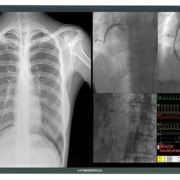
The medical industry is in the throes of entering a new epoch in imaging technology. Healthcare professionals are upgrading to ultra-high definition 4K resolution as the innovative technology provides four times the clarity than that of high definition. Typically, diagnostic and surgical procedures are guided via information gleaned from various imaging procedures. With so much weighing on these scans, the ultimate goal is to obtain unparalleled picture quality punctuated by incomparable clarity.
Our variety of UHD display options from major brands including Barco, Sony, NDS, LG, and Eizo provide clients with a variety of smart choices. For those balancing prudent budgets that include improvements to equipment, Sony’s LMD-X55MD offers affordability, efficiency, and versatility. Available in 31 inches, its slim, ergonomic design and splash proof covering will improve any operating room.
In addition to a sleek exterior, the surgical monitor is equipped with Sony’s OptiContrast technology and original Advanced Image Multiple Enhancer, which allows users to visualize images without glare or reflection. The LED backlit monitor features Quad View Mode and a user-friendly interface, which allows users to view up to four images simultaneously, manipulate images via image mirroring as well as allowing users to take advantage of side-by-side comparison, picture-in-picture, and picture-out-picture.
In minimally invasive surgeries, large displays play an integral role in facilitating the visual components necessary to perform procedures. The HYBRIDPIXX, an Ampronix original UHD 4K display recently made public, is unrivaled in image quality as it is equipped with our patented 4KBoxx.
The HYBRIDPIXX 4KBoxx video manager gives physicians the ability to select desired images and exhibit them in various layouts on the UHD display. Beneficially, hundreds of potential layout options offer a multitude of customization possibilities. With the ability to input up to 27 analog or digital signals, the HYBRIDPIXX is an ideal candidate for large scale viewing and multi-screen monitoring.
Those interested in adopting UHD 4K technology ought to consider endoscopic camera options, which will vastly improve the visual aspect of minimally invasive surgeries. These cameras have the ability to exhibit vibrant and clear images of internal structures to any UHD 4K display. Currently, Panasonic’s 4K Ultra HD 3MOS Camera is the smallest 4K camera head available.
Panasonic’s 4K camera has the ability to capture images in 3D and edit with tools to zoom-in and crop. The colour enhancement technology and video processor offers outstanding image reproduction and colorization capabilities. The camera has maximized connectivity with an output of up to 1600 lines, a resolution of 3840 x 2160 at 60p, and dual channel outputs.
The shift towards UHD 4K technology is quickly becoming a medical industry standard. Ampronix is proud to be at the forefront of leading technological shifts by equipping healthcare providers with only high caliber products. Moving forward, the company will be stocked with UHD 4K recorders from brands like Panasonic and Sony, slated for release in the upcoming months.
About Ampronix
Ampronix is a renowned authorized master distributor of the medical industry’s top brands as well as a world class manufacturer of innovative technology. Since 1982, Ampronix has been dedicated to meeting the growing needs of the medical community with its extensive product knowledge, outstanding service, and state-of-the-art repair facility. Ampronix prides itself on its ability to offer tailored, one-stop solutions at a faster and more cost effective rate than other manufacturers. Ampronix is ISO 13485:2003, ISO 9001:2008, and ANSI/ESD S20.20-2014 certified.
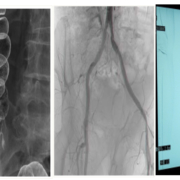
Over the last 60 years, medicine has made major advances in diagnosis, treatment and surgery. Radiography and Fluoroscopy imaging are essential to medical science. As a result, Original Equipment Manufacturers (OEM’s) need to deliver ever more sophisticated turnkey platforms for their systems which are dedicated to end-users. Thales has designed a platform that meets all of these needs.
ArtPix DRF, a unique Imaging Platform for Dynamic X-Ray applications
ArtPix DRF is an advanced imaging platform that helps OEMs bring Radio-Fluoroscopy systems to market by reducing integration, certification, time and cost through flexibility and reactivity. This increases customer gain by optimizing margins and has several key advantages such as image quality and design. The system is designed to deliver outstanding performance in fluoroscopy and radiography, enhancing radiology department workflow & productivity.
State of the art dynamic and static images
ArtPix DRF introduces a real 10-bit image pipeline and a set of unique algorithms based on parallel computing, providing real-time, full HD images as well as flexibility of adjustments on demand. Users can customise the imaging platform to suit their preferences, including user-interface, display configuration, image quality and room peripherals. A proprietary image processing allows adjustments according to the regions of the world, user experience expectations and preferences.
Multiple advanced applications are embedded in this solution
ArtPix DRF is based on a user-friendly application that controls the generator and remote tables. For the physician, it also includes a patient vicinity controlled application to enhance treatment. The system offers increased value to OEM’s by featuring a vast choice of advanced clinical options such as: Tomosynthesis, stitching, radiation-less positioning, etc.
Integration and daily use are facilitated thanks to an intuitive setup, calibration and application
The setup, calibration, generator settings and stations can be easily configured by an X-ray technician guided by ArtPix DRF, allowing the system environment to be easily adjusted. Thanks to these options and the flexibility to change all of the configurations, time and money are saved by practitioners and therefore, a higher number of patients can be seen. The platform has been designed to tackle IT and patient information vulnerabilities. The system is compliant with the latest information security standards.
The people we rely on to keep us healthy rely on Thales to provide pioneering fluoroscopy solutions. Thales’ 60 years of experience in the domain, combined with its ability to remain at the forefront of innovation, has made the Group the leading choice for many radiological system manufacturers. With the launch of the world’s 1st 4343 panel dedicated to fluoroscopy in 2007, the company is perceived as a precursor in this domain. Nowadays, and thanks to its long term expertise, Thales is increasingly engaged in the development of image chain platforms in order to provide complete and efficient solutions for systems integrators and end-users. Discover ArtPix DRF at the ECR congress from 1-4 March 2018, Thales booth N°410 – Foyer D.
Almost precisely a decade ago, the US National Institutes of Health remarked that point-of-care (POC) testing might offer a paradigm shift towards predictive and pre-emptive medicine.
Recent advances in areas such as genetics testing, biosensors and microfluidics continue to enthuse proponents of such scenarios.
However, several challenges still need to be addressed, along the way.
Quicker, better and cheaper
POC testing, which simply means diagnostic tests are done near the patient rather than a clinical laboratory, provides diagnostic information to physicians and/or patients in near-real time. Samples do not need to be transported, or results collected. Short turnaround times are accompanied by high sensitivity and a sample-to-answer format, as well as reduced costs to the health service.
Push-and-pull
Unlike many other medical innovations, the push of POC technology has been accompanied by a pull from users. Patients find POCs convenient and empowering. Many POCs allow them to monitor their health and medical status at home. Alongside the growing availability of medical information on the Internet, and other enabling technologies such as telemedicine, POCs also mark the coming of age of personalized medicine.
Classifying POC tests
POC tests can be broken down in terms of size/disposability and complexity. At one end are small handheld tests, above all for glucose, and lateral flow strips which determine cardiac markers and infectious pathogens, or confirm pregnancy.
In recent decades, strip technology has been coupled to meter-type readers, typified by the now-widely used glucose meter. Due to their compact nature, such POC tests are often specialized and limited in overall functionality. However, some can be quite sophisticated. New POC tests for early detection of rheumatoid arthritis, for example, require only a single drop of whole blood, urine or saliva, and can be performed and interpreted by a general physician within minutes.
On the other side of the equation are laboratory instruments, which have been steadily reduced in size and complexity. Recent launches include small immunology or hematology analysers. These POC tests provide higher calibration sensitivity and quality control and are used for more complex diagnostic procedures. Such devices have been accompanied by increasing levels of automation, which translates into increased speed. However, it also leads sometimes to challenges in training users.
Technology drivers
Three key technologies driving the POC market currently consist of genetic tests, biosensors and microfluidics. Combinations of biosensors and microfluidics have recently been developing at an especially dramatic pace.
Genetic testing
Traditionally, genetic testing involved DNA analysis to detect genotypes of interest, either for clinical purposes or related to an inheritable disease. However, results took days or weeks, limiting the applicability of genetic testing in a POC setting.
Emergence of molecular genetics
In recent years, molecular genetics has emerged as one of the most exciting frontiers for POC testing. It detects DNA and RNA-level abnormalities that provoke and fuel most diseases. As a result, it offers precise diagnosis, determines the susceptibility of a patient to a specific disease and assesses his or her response to therapy. Molecular diagnostics can also establish a patient’s prognosis over time far more scientifically than what is often no more than a physician’s informed guess.
One of the first POC gene tests was US biotech firm Cepheid’s GeneXpert, developed to detect the chromosome translocation associated with chronic myeloid leukemia. The small benchtop device provided results in less than two hours, with minimal manual labour involved.
Several companies have been developing tests to analyse genetic polymorphisms which influence the effectiveness of drugs. For instance, Spartan from Canada has developed a one-hour test to analyse CYP2C19, the cytochrome P450 enzyme that activates the antiplatelet inhibitor clopidigrel. Different alleles of the CYP2C19 gene can impair the enzyme’s ability to metabolize the drug, leading to major adverse reactions. Others are developing quick turnaround tests (below 20 minutes), for instance, to detect polymorphisms associated with warfarin response, in order to guide dosage.
These developments focus on analysing very specific targets, with clinical decisions based on a handful of expected results. POC testing in such contexts evidently saves time and permits faster patient care.
Gene sequencing: challenges and breakthroughs
The case is different when the POC effort involves sequencing a gene or a whole genome. This is largely because the interpretation of (otherwise-quick) results are still time consuming and need trained experts.
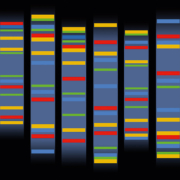
In spite of this, some innovators are confident about the opportunity for handhelds in genomic sequencing. MinION is a 90 gm handheld device, and is seen by its developer Oxford Nanopore as a first step to ‘anything, anywhere’ sequencing. MinION, which has been used in UK hospitals and in West Africa during the Ebola outbreak, performs nanopore-based sequencing within just a few hours.
There is much more, however, that remains to be smoothed out. MinION shows a high error rate compared to existing next generation sequencing (NGS) platforms and it is impractical for use with larger genomes.
As these kinds of POC genomic technologies continue to develop, other enabling innovations are also likely to make an impact. For example, some researchers have harnessed mobile phone technology for gene variation analysis and DNA sequencing. Its implications in a POC setting would clearly be massive.
Biosensors
As mentioned above, another technology driving POC diagnostics consists of biosensors.
Biosensors are biological materials, closely associated with a transducer to detect the presence of specific compounds.
A biosensor system consists of a biospecific capture entity to detect the target molecule, a chemical interface to control the system function and a transducer for signal detection and measurement. Transducers can be electrochemical, optical, thermometric, magnetic or piezoelectric. Their aim is to produce an electronic signal proportional to an analyte or a group of analytes.
The biospecific capture entity (typically whole cells, enzymes, DNA/RNA strands, antibodies, antigens) is chosen according to the target analyte, while the chemical interface ensures the biospecific capture entity molecule is immobilized upon the relevant transducer.
Key requirements
One key requirement in a biosensor is selective bio-recognition for a target analyte, and the ability to maintain this selectivity in the presence of interference from other compounds. The selectivity depends on the ability of a bio-receptor to bind to the analyte. Bio-receptors are developed from biological origins (e.g. antibodies) or patterned after biological systems (such as peptides, surface- and molecularly-imprinted polymers).
The second requirement in a biosensor is sensitivity. This depends on a wide range of factors, such as the properties of the sensor material, the geometry of the sensing surface and resolution of the measurement system. One of the most important factors in this context is surface chemistry, used to immobilize the bio-recognition element on the sensing surface.
BioMEMS
In the field of POC, there has for some time been considerable excitement about biomedical (or biological) microelectromechanical systems, known by their abbreviation BioMEMS.
BioMEMS are biosensors fabricated on a micro- or nano-scale, resulting in higher sensitivity, reduced detection time and increased reliability. Reagent volumes are also reduced due to the smaller size of BioMEMS, which increases their operational cost-effectiveness.
The miniaturization inherent to BioMEMS means greater portability, which is of course a cardinal requirement for POC applications.
Next-generation POC systems are expected to go beyond diagnostics to advance warning, by ‘learning’ about patients (including vital signs such as heart rate, oxygen saturation, changes in plasma profile etc.), and discovering problems in advance through the use of sophisticated algorithms. Such monitoring systems are likely to comprise different types of wearable or implantable biosensors, communicating via wireless or 4G links to their smartphones and onwards to a medical centre. Such systems would dramatically reduce response time and make testing available in environments where laboratory testing is simply not feasible.
Microfluidics: lab-on-a-chip
Microfluidics, also known as lab-on-a-chip, miniaturize and integrate most of the functional modules used in central laboratories into a single chip. The technology is seen as a high-potential driver of POC diagnostics, not least in developing countries.
There are three principal families of POC microfluidic tests – lateral flow devices, desktop or handheld platforms and (emerging) molecular diagnostic systems. The systems range from zero-instrumented POC devices for the detection of pathogens to fully-instrumented equipment such as NGS sequencing and droplet-based microfluidics.
Microfluidic applications have grown at a dizzying speed, due to the inherent advantages and promises of the technology. These include the ability to manipulate very small volumes of liquids and perform all analytical steps in an automated format – from sample pretreatment, through reaction and separation to detection. Assay volumes are therefore reduced dramatically, while sample processing and readout are accelerated. Other salient features of microfluidics consist of parallel processing of samples with greater precision control, and versatility in formats for different detection schemes. These of course translate to greater sensitivity.
Technology trends
Key technology trends in the field of microfluidics, which have a direct bearing on POC use, include growing miniaturization, higher efficiency chemical reagents, accelerated sampling times as well as larger throughputs in synthesis and screening. As with BioMEMS biosensors, the advantages of microfluidics also consist of low device production costs and disposability,
Some researchers are looking at the commodification of microfluidics – for example, mass production by using inexpensive materials such as paper, plastic and threads, coupled to cost-effective manufacturing processes.
Paper has drawn the highest degree of attention, given that it is lightweight, biocompatible with assays and ecologically friendly. In terms of operation, paper microfluidics is seen as an innovative means to escape the limitations of external pumps and detection systems. Flow in paper is driven by simple capillary forces. Another major advantage of paper is its application in colorimetric tests for detection by the naked eye. Given the proliferation of smartphones equipped with high-resolution cameras, some experts view paper microfluidics becoming the tool of choice for POC diagnostics in developing countries.
Biosensor-microfluidics combinations: developing at a ‘violent’ pace
Efforts to merge biosensors with microfluidics have also been demonstrated since the mid-2000s. Progress has been encouraging. Last year, a University of Copenhagen research team, led by biotechnologist Alexander Jönsson and visiting Canadian scientist Josiane Lafleur, noted that the “marriage of highly sensitive biosensor designs with the versatility in sample handling and fluidic manipulation” offered by microfluidics promises to “yield powerful tools for analytical and, in particular, diagnostic applications.” Their article, ‘Recent advances in lab-on-a-chip for biosensing applications’, was published in the February 2016 issue of the journal ‘Biosensors and Bioelectronics’, and noted that areas where microfluidics and biosensors converged was “rapidly and almost violently developing.” Nevertheless, the authors also found there is still much more to be done, with the observation that “solutions where the full potentials are being exploited are still surprisingly rare.”

Prins Hendrikstraat 1
5611HH Eindhoven
The Netherlands
info@interhospi.com
PanGlobal Media IS not responsible for any error or omission that might occur in the electronic display of product or company data.