• News
    • Featured Articles
    • Product News
    • E-News
  • Magazine
    • About us
    • Digital edition
    • Archived issues
    • Media kit
    • Submit Press Release
  • White Papers
  • Events
  • Suppliers
  • E-Alert
  • Contact us
  • FREE newsletter subscription
  • Search
  • Menu Menu
International Hospital
  • AI
  • Cardiology
  • Oncology
  • Neurology
  • Genetics
  • Orthopaedics
  • Research
  • Surgery
  • Innovation
  • Medical Imaging
  • MedTech
  • Obs-Gyn
  • Paediatrics

Archive for category: Featured Articles

Featured Articles

Mobile health – a potentially disruptive technology ?

, 26 August 2020/in Featured Articles /by 3wmedia

Mobile health or mHealth has recently become one of the fastest growing and potentially disruptive segments of healthcare technology. Some typical mHealth segments include medication reminders, remote patient monitoring and wellness management. Key challenges faced by mHealth include data storage and management, network availability and maintenance, compatibility and interoperability. The single biggest issue however is considered to be security and privacy – in terms of access control, infrastructure integrity and data anonymity.

M&A, drug costs and mHealth shake up US healthcare
In December 2015, consultants PricewaterhouseCoopers (PwC) said that mHealth ranked just behind mergers & acquisitions (M&A) and the escalating costs of prescription drugs as a key factor shaking up US healthcare.
PwC noted that one reason for such an impact was mHealth’s status as a late starter. Smartphones and apps have been relatively underutilized by the healthcare industry, and playing catch-up has catalysed an ultra-fast pace of growth. The consulting firm noted that 71% of US adults now own a web-enabled smartphone or wireless device and users with health or fitness apps doubled from 16% to 32% in 2015 compared to the year before.
Other figures endorse the enthusiasm about mHealth.
93% of US clinicians now believe that mHealth apps can improve patient’s health, according to a GreatCall survey on their rising popularity. This is well above a level of just 52% in 2013, according to a survey cited by US telecoms carrier Qualcomm. That report also noted that another 16% percent also noted ‘that the use of mobile technology will dramatically change the way that healthcare is delivered in the future.’

Europe and mHealth
The picture is more nuanced in other parts of the world.
In Europe, for example, Pew Research figures show smartphone penetration is roughly equal to US levels in northern countries such as Sweden, Denmark and the Netherlands, as well as on the other side, in Spain. The levels are 60-70% in Germany and the UK and 50% in France. These three, together, account for 45% share of the European mHealth market.
There also are some major differences between European countries in the mHealth climate, as another recent report, by Germany’s r2G, shows. As a result, usage of ePrescription varies dramatically, from 0 all the way to 100%. In Europe, regulatory differences can indeed have profound implications for mHealth. For example, ‘remote treatment of patients is prohibited’ in Germany, ‘whereas in Spain telemedicine is encouraged.’
In spite of being Europe’s largest economy, Germany remains a major challenge. According to a report from FTI Consulting, ‘only 28% of German hospitals have a clear strategy’ on digital healthcare. In spite of this, a proposed new law on eHealth ‘does not even mention the opportunities’ provided by mHealth (or personalized medicine). In effect, Europe has some way to go before it approaches mHealth benchmarks in the US, where doctors in several states can ‘bill health insurance companies for the costs of email-based consultations,’ according to a survey by A.T Kearney.

India among most mHealth-ready
Overall, revenues in the global mHealth market are expected to rise annually at a rate of 33.5% between 2015 and 2020, based on forecasts in an Allied Market Research report. Leading the pack will be the Asia-Pacific, with a growth rate estimated by Allied at more than 35%.

India is a special case for several reasons. Although Pew reports penetration of just 17% in the country in 2015, India recently overtook the US to become the second largest market for smartphones, after China (where penetration is much higher, at 58%).
Indeed, the speed of growth in the Indian market has surprised experts. As recently as August 2015, researchers IDC were forecasting that India would surpass the US in smartphone sales, in 2017.
India is in fact considered as one of the most mHealth-ready markets, in spite of a per capita income which is still among the world’s lowest. A survey in 2012 by PwC and the Economist Intelligence Unit (EIU) explained the reasons for the paradox: ‘In developed markets, mHealth is perceived as disrupting the status quo, whereas in emerging countries it is seen as creating a new market, full of opportunities and growth potential…. Consumers are more likely to use mobile devices and mHealth applications, and more payers are willing to cover the cost of mHealth services.’ The report notes that the pace of adoption of mHealth ‘will likely be led by emerging markets that rank highest among ten countries on a score of mHealth maturity.’

Demand driven by both business and consumers
The Indian case in the PwC/EIU survey illustrates one of the salient features for mHealth, everywhere. mHealth technology is both B2B (business-to-business) as well as B2C (business-to-consumer). Indeed, it is consumers who are pulling mHealth, in both developing and industrialized countries. This is probably less for cost than for reasons of access ( anywhere, anytime’ diagnosis, monitoring and treatment). The title of the PwC/EIU report underscores such an observation: ‘Consumers, it says, ‘are ready to adopt mobile health faster than the health industry is prepared to adapt.’

4 million downloads a day
Overall, the near-frenzied enthusiasm for mHealth is illustrated by figures from German consultant R2G. Even in 2014, it says there were over four million downloads of mHealth apps every day.
The number is expected to keep growing. By 2017, it’s predicted that 50% of smartphone users will have downloaded mobile health apps.

Hospitals and mHealth
In spite of the incipient mHealth consumer boom, heavy-hitters in industry are also marshalling their mHealth strategies.
Hospitals and health plans see mHealth as a tool to contain costs and enhance efficiency, and enhance healthcare safety and quality too. A growing number of top hospitals have begun to incorporate mHealth – the use of mobile technology devices and smartphones for healthcare purposes – to connect patients and clinicians, improve care coordination and reduce avoidable, costly hospital readmissions.

In the US, one driving force for mHealth consists of reforms imposing penalties on hospitals for avoidable readmissions. Although hospital readmissions fell from 19% in 2011 to 17.5% in 2013, more can clearly be done. According to Kaiser Health News’, 2,225 hospitals paid 227 million dollars in penalties during 2013 for high hospital readmission rates.
The reforms have provided strong incentives to implement mHealth systems – for example, to track cardiac rhythms, glucose levels and vital signs, and to identify health issues in time so as to prevent repeat trips.
Evidence for this kind of direct benefit from mHealth is provided by the prestigious Mayo Clinic, who report that use of a smartphone app during cardiac rehabilitation can reduce hospital readmissions by a factor of three. Mayo researchers found that only 20 percent of cardiac patients who used the app visited the emergency department or were readmitted to the hospital within 90 days, compared with 60 percent of those who did not use it.

The role of mHealth in increasing efficiency is apparent from Canada’s Ottawa Hospital. The Hospital and IBM have launched a mobile-enabled platform to streamline workflow and create a circle of care’ around patients. Care providers have 24/7 access to patient information, collaboration tools and available hospital resources via a custom mobile app, which has enhanced process efficiency, leading to more accurate discharge scheduling and reducing over-occupancy rates from levels of 110 percent.

European hospitals are also enthused about mHealth. In Britain, the National Health Service is encouraging remote medical monitoring and mobile health access as part of the country’s digital healthcare revolution, according to a report in The Telegraph’. The programme, which focuses on greater efficiency in providing medical services, includes use of wearables, video link consultations, e-prescription and connected clothing. Its objective is to make virtual healthcare ubiquitous within five years and save the NHS up to 5 billion pounds over a decade.

The pharmaceutical industry and mHealth
The pharmaceutical industry, too, has got into mHealth, with hundreds of mobile apps providing information on drugs, drug interactions and enabling patients to track usage. A study by Avella Specialty Pharmacy found apps focusing on HIV medication significantly boosted adherence. Despite this, it has ‘lagged in mHealth app development and adoption,’ due to concerns about liability and the need to follow strict regulatory compliance.
There are three other reasons for the lack of success. Pharma company app portfolios are not globally available. It is also built around their core products, rather than market demand. In addition, there is no cross-referencing, or a common and recognizable design providing a corporate identity.

Profiling mHealth apps
At present, some sources estimate that there are over 100,000 mobile health apps that have been developed. 85% of the apps are for wellness, while the remaining 15% (or 15,000) are directed at medical purposes. Even though a late starter, as many as 42% of mHealth apps available in major stores have a paid business model.

Nevertheless, the bulk of mHealth apps are forced to struggle.
A November 2015 survey of the global market by R2G found that 62% of app vendors attained less than 5,000 downloads per year for their entire mHealth app portfolio. 11% percent reached over 100,000 downloads. Just 2% had 1 million-plus downloads. Of the latter, about half had been in the business before 2010.
R2G said that as many as 60% of developers of mHealth apps were dissatisfied with the market reception for their apps. Many also found that the performance of the apps fell short of their goals.
The survey also reported that over half mHealth app developers were technology companies, and they viewed the presence of medical professionals on their team as a priority. In terms of targeted customers, patients with chronic conditions were most common, accounting for 48% of apps. Hospitals are the second biggest target, with 32% of developers focusing on them.
Another finding of interest was the fact that the most successful vendors were more likely to develop apps for hospitals as opposed to patients. This may be one of the strongest indicators that the mHealth apps industry still has to mature, and that there is much more to come. During the same month as the R2G survey, New York University School of Medicine released another mHealth report. The study found that though consumers frequently downloaded mHealth apps they ‘don’t necessarily use them a lot.’
For consumers at least, there is much more to explore in mHealth.


https://interhospi.com/wp-content/uploads/sites/3/2020/08/IH105_mhealth_Tosh_thematic.jpg 200 300 3wmedia https://interhospi.com/wp-content/uploads/sites/3/2020/06/Component-6-–-1.png 3wmedia2020-08-26 14:18:122021-01-08 12:30:55Mobile health – a potentially disruptive technology ?

Who needs a mammogram?

, 26 August 2020/in Featured Articles /by 3wmedia

Breast cancer is the most common female cancer globally, with one woman in eight in the West eventually developing the disease. However improved screening programmes allowing earlier detection and treatment have greatly contributed to the steadily decreasing breast cancer mortality observed from the 1980s on. Although alternative imaging modalities are available, the current gold standard screening tool is mammography. In the majority of EU countries women are invited for screening from the age of 50 until they reach 70. Currently only France extends screening to include women up to 75, though studies are ongoing in several European countries to assess whether a higher cut-off age would lead to a net benefit for older women.
The main limitation of mammography is that the X-rays from different angles can only provide a 2D image of a 3D structure. This leads to false negative results as normal breast tissue can mask tumours. In addition false positive results augment both patient anxiety and hospital workload; the rationale for only screening women from age 50 is that there is a higher rate of false positives in younger women and a much lower incidence of the disease prior to the onset of the menopause. However because randomized, controlled trials have excluded women over 75, there has been a paucity of data concerning the benefits of continuing to screen all older women. One major concern has been that breast cancers that would not pose a threat to women’s health during their lifetime would be diagnosed and aggressively treated. In addition the U.S. Preventive Services Task Force notes that routine exposure to radiation from mammography results in a slightly higher risk of developing breast cancer; this would increase if women were offered screening for possibly an additional 25 years.
Now two recent studies have provided the data that were lacking. The first, a retrospective cohort study carried out in France, compared patient prognosis in women of 75 and older who presented at an oncology center because of a positive mammography result with older women who had been clinically diagnosed. It was found that the former group had improved, disease-free survival rates. The second robust study utilized data from the US National Mammography Database. Over 5.6 million mammograms from 150 facilities in 31 different States over a seven-year period were analysed, with data sorted according to demographics, mammography results and biopsy results. The cancer detection rate and positive predictive values increased with age up to 90, and the recall rate reduced. Surely the jury is no longer out?

https://interhospi.com/wp-content/uploads/sites/3/2020/08/Frances1_942ac9.jpg 300 225 3wmedia https://interhospi.com/wp-content/uploads/sites/3/2020/06/Component-6-–-1.png 3wmedia2020-08-26 14:18:122021-01-08 12:30:38Who needs a mammogram?

Hands up for HIV prevention!

, 26 August 2020/in Featured Articles /by 3wmedia

This was the theme for the 29th World AIDS Day on December 1st. Substantial progress has been made in developing and disseminating effective antiretroviral therapy (ART) for people diagnosed with HIV/AIDS. Indeed for the around 19 million people globally currently taking ART, the disease can be considered a chronic condition, albeit one that requires careful and continuous monitoring.
Huge strides have also been made in reducing transmission of infection. Concerted efforts by national programmes and development partners have promoted safe sex and condom use (though not without some controversy and pontification about the value of celibacy) with studies showing that this reduces HIV transmission by 85percent. Medical male circumcision, which reduces the risk of heterosexual men becoming infected by an estimated 60percent, is also becoming acceptable in high risk countries where performance of this operation is not the cultural norm. The efficacy of pre-exposure prophylaxis (PrEP) for subjects at a high risk of becoming infected with HIV, such as those with infected sexual partners, has been demonstrated and is advocated in many countries. Vertical transmission, formerly accounting for up to 45percent of babies acquiring the infection from their HIV positive mother, can now be prevented by prescribing ART to both mother and child during pregnancy, labour, delivery and breastfeeding. And programmes have been set up both to educate people who inject recreational drugs about the risks of HIV infection and to provide sterile injecting equipment to reduce the risk.
However an enormous obstacle blocking the goal to end the AIDS epidemic by 2030 is that according to the WHO an estimated 14 million people (around 40percent of all people with HIV) are unaware that they are infected with the virus. Not only are they not receiving ART, they are also unwittingly infecting others. Highly accurate rapid diagnostic tests or enzyme immunoassays are available, but many people are either geographically distant from such testing services or are too diffident to access them. So it is wonderful news that, according to WHO, twenty-three countries have so far approved policies for HIV self-testing, and many others are aiming to follow suit. Studies have shown that with such testing, performed in the privacy of one’s home with results available after 20 minutes, the number of people tested doubles. While there is great need to distribute kits to the most high risk areas, how many of us currently living in lower risk countries are celibate until we meet our life partner who has also been celibate prior to meeting us?

https://interhospi.com/wp-content/uploads/sites/3/2020/08/Frances1_059f15.jpg 300 225 3wmedia https://interhospi.com/wp-content/uploads/sites/3/2020/06/Component-6-–-1.png 3wmedia2020-08-26 14:18:122021-01-08 12:30:42Hands up for HIV prevention!

The hazards of radiation exposure in the cath lab

, 26 August 2020/in Featured Articles /by 3wmedia

The medical device industry is continually improving diagnostic imaging systems in order to lower radiation dose without compromising image quality, and both company articles and studies by cardiologists published in peer-reviewed journals stress the benefits for patients. However, much less emphasis is given to radiation exposure of relevant healthcare workers, a problem that is particularly acute in the catheterization lab where the use of albeit low radiation dose imaging approaches has increased exponentially. Diagnostic procedures utilizing ionizing radiation, such as coronary angiography, are now standard, as are interventions such as coronary artery angioplasty and stenting. Interventions such as atrial fibrillation ablation can take several hours and require up to an hour’s screening time. And the huge growth in the number of trans-catheter aortic valve implantation (TAVI) procedures carried out in the cath lab also impacts on the cumulative radiation dose to which operators are exposed.
The potential hazards of operator exposure include skin erythema from hands being constantly within the primary beam, and damage to eyes. Relatively low radiation doses can irreversibly damage the lens; higher doses can affect the conjunctiva, iris, sclera and retina. And of most concern, increasing radiation exposure can result in irreversible damage to cellular DNA and carcinogenesis; the brain, thyroid and skin are most susceptible to cancers. A survey published earlier this year in the American heart association journal compared 466 healthcare personnel with an average of ten years cath lab experience with 280 personnel working in cardiology but without radiation exposure. The prevalence of skin lesions, cataracts and cancers were all significantly higher in the radiation-exposed group, as were hypertension and orthopedic problems such as back pain. But in the high stress environment of the cath lab, exacerbated because these healthcare workers are frequently on call’ after completing their regular shifts, it is understandable that monthly reports of radiation exposure are not scrutinized by staff, and that effective protective measures such as special glasses, thyroid collars, gloves and lead aprons- the wearing of which has been linked to lower back pain- are not always utilized.
So surely it is essential that hospitals provide intensive training in radiation protection for the whole cath lab team, ensure that all staff know the relevant protocols and adhere to them, and regularly examine shielding equipment for defects. In addition radiation protection supervisors should monitor exposure on a monthly basis, via operator badges and ideally by the systems available that can provide real-time data throughout every procedure involving ionizing radiation.

https://interhospi.com/wp-content/uploads/sites/3/2020/08/Frances1_b53eed.jpg 300 225 3wmedia https://interhospi.com/wp-content/uploads/sites/3/2020/06/Component-6-–-1.png 3wmedia2020-08-26 14:18:122021-01-08 12:30:47The hazards of radiation exposure in the cath lab

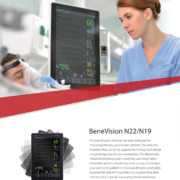
BeneVision N22/N19

, 26 August 2020/in Featured Articles /by 3wmedia
https://interhospi.com/wp-content/uploads/sites/3/2020/08/IHE_MayJun_MINDRAY.jpg 1000 682 3wmedia https://interhospi.com/wp-content/uploads/sites/3/2020/06/Component-6-–-1.png 3wmedia2020-08-26 14:18:122021-01-08 12:30:38BeneVision N22/N19

NASA Once Again Relies on Mortara for Advanced Holter Monitoring

, 26 August 2020/in Featured Articles /by 3wmedia

Since 2008, NASA has chosen Mortara as its Medical Devices Partner for use in ECG Monitoring at the International Space Station.

In November 2008, NASA selected Mortara Instrument’s H12+TM high-resolution Holter recorders to travel onboard the Space Shuttle Endeavor STS-126 mission. The H12+ recorders were used to capture ECG data from the astronauts while working aboard the International Space Station (ISS). Data from the recorders were transmitted from the International Space Station to NASA’s Johnson Space Center in Houston, Texas via satellite where it was analyzed by Mortara’s HScribeTM Holter analysis system. 

Mortara had worked closely with NASA Ames Research Center’s engineers (Space Biosciences Division) to ready the H12+ recorders for the additional stress of space travel. Prior to launch, the H12+ recorders were also used for pre-flight scientific studies; reports generated by the HScribe system allowed for the in-space ECG findings to be compared to any pre-flight ECG study results.

The collaboration with NASA did not end with the Space Shuttle Endeavor STS-126 mission; on March 1, 2016, after a record year-long mission spent in space, Expedition 46 Commander Scott Kelly of NASA and Flight Engineers Mikhail Kornienko and Sergey Volkov landed in Kazakhstan. Kelly and Kornienko completed an International Space Station mission as members of expeditions 43, 44, 45 and 46 to collect valuable data on the effect of long duration weightlessness on the human body that will be used to formulate a human mission to Mars. Once again, the Mortara H12+ played a key role in that data collection.
For more info click here

https://interhospi.com/wp-content/uploads/sites/3/2020/06/logo-footer.png 44 200 3wmedia https://interhospi.com/wp-content/uploads/sites/3/2020/06/Component-6-–-1.png 3wmedia2020-08-26 14:18:122021-01-08 12:30:54NASA Once Again Relies on Mortara for Advanced Holter Monitoring

Reducing Alarm Fatigue, the New Challenge of Mortara Suite of Algorithms

, 26 August 2020/in Featured Articles /by 3wmedia

In addition to designing and manufacturing a complete line of diagnostic cardiology and patient monitoring equipment, Mortara Instrument has always been recognized as a leader in the development of algorithms for safe and reliable ECG analysis. Now, Mortara has taken up a new challenge: Alarm Fatigue management.

Due to the increased number of monitored parameters available today and the need to reduce healthcare costs, algorithms must both be more sensitive and prevent more false alarms than in the past. Cardiac Care Units are always so busy that the large number of false alarms generated every day by monitoring systems can become a serious issue for healthcare personnel. This large number of false alarms induces so-called Alarm Fatigue’: in a nutshell, healthcare professionals, tired of wasting time in silencing false alarms, not only lose trust in their monitoring system, but tend to ignore possibly real alarms.

Mortara VERITASTM covers a large variety of diagnostic fields: from automatic resting ECG interpretation, to ambulatory Holter monitoring, to real-time algorithms specifically designed for bedside monitors and central stations, largely employed in Coronary Care and Intensive Care Units. Integrated in all Mortara product lines, VERITAS is constantly updated with new features and improved specificity and sensitivity.

Having obtained levels of sensitivity and specificity in line with major manufacturers is not enough to fight Alarm Fatigue. That is why much attention and investment have been devoted to reducing false alarm rates without affecting sensitivity. The updated VERITAS Arrhythmia algorithm defines a new standard in Alarm Fatigue management: up to 60percent less false alarms for lethal arrhythmias when compared to the most common algorithms available on the market, resulting in vast improvement of reliability of the systems on which it is installed.

The new version of VERITAS will be available on the Mortara monitoring line – SurveyorTM Central, Surveyor S4 telemetry, Surveyor S12 and S19 bedside monitors – starting November 2016*.

For further information, click  here

Mortara, SurveyorTM and VERITASTM are trademarks or registered trademarks of Mortara Instrument, Inc.

*Not available in the U.S.

https://interhospi.com/wp-content/uploads/sites/3/2020/06/logo-footer.png 44 200 3wmedia https://interhospi.com/wp-content/uploads/sites/3/2020/06/Component-6-–-1.png 3wmedia2020-08-26 14:18:122021-01-08 12:30:47Reducing Alarm Fatigue, the New Challenge of Mortara Suite of Algorithms

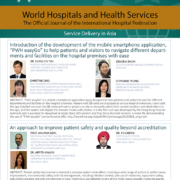
IHF – Service Delivery in Asia

, 26 August 2020/in Featured Articles /by 3wmedia
https://interhospi.com/wp-content/uploads/sites/3/2020/08/IH113_IHF_page1.jpg 980 700 3wmedia https://interhospi.com/wp-content/uploads/sites/3/2020/06/Component-6-–-1.png 3wmedia2020-08-26 14:18:122021-01-08 12:30:51IHF – Service Delivery in Asia

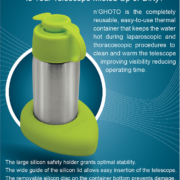
n’GHOTO

, 26 August 2020/in Featured Articles /by 3wmedia
https://interhospi.com/wp-content/uploads/sites/3/2020/08/47031_SCS-Int.jpg 1000 695 3wmedia https://interhospi.com/wp-content/uploads/sites/3/2020/06/Component-6-–-1.png 3wmedia2020-08-26 14:18:122021-01-08 12:30:59n’GHOTO

Medical Fair Thailand 6-8 Sept 2017

, 26 August 2020/in Featured Articles /by 3wmedia
https://interhospi.com/wp-content/uploads/sites/3/2020/06/logo-footer.png 44 200 3wmedia https://interhospi.com/wp-content/uploads/sites/3/2020/06/Component-6-–-1.png 3wmedia2020-08-26 14:18:122021-01-08 12:30:38Medical Fair Thailand 6-8 Sept 2017
Page 82 of 103«‹8081828384›»

Latest issue of International Hospital

April 2024

2 June 2026

DeepHealth achieves multiple regulatory milestones for Neuro, Prostate and LumbarMR

7 January 2026

Gulf Aorta Summit 2026 Returns to Dubai with a Global Lineup of Aortic Experts

17 December 2025

GE HealthCare receives CE mark for 128cm total body PET/CT

Digital edition
All articles Archived issues

Free subscription

View more product news

Get our e-alert

The medical devices information portal connecting healthcare professionals to global vendors

Sign in for our newsletter
  • News
    • Featured Articles
    • Product News
    • E-News
  • Magazine
    • About us
    • Archived issues
    • Media kit
    • Submit Press Release

Prins Hendrikstraat 1
5611HH Eindhoven
The Netherlands
info@interhospi.com

PanGlobal Media IS not responsible for any error or omission that might occur in the electronic display of product or company data.

Scroll to top

This site uses cookies. By continuing to browse the site, you are agreeing to our use of cookies.

Accept settingsHide notification onlyCookie settings

Cookie and Privacy Settings


How we use cookies

We may ask you to place cookies on your device. We use cookies to let us know when you visit our websites, how you interact with us, to enrich your user experience and to customise your relationship with our website.

Click on the different sections for more information. You can also change some of your preferences. Please note that blocking some types of cookies may affect your experience on our websites and the services we can provide.

Essential Website Cookies

These cookies are strictly necessary to provide you with services available through our website and to use some of its features.

Because these cookies are strictly necessary to provide the website, refusing them will affect the functioning of our site. You can always block or delete cookies by changing your browser settings and block all cookies on this website forcibly. But this will always ask you to accept/refuse cookies when you visit our site again.

We fully respect if you want to refuse cookies, but to avoid asking you each time again to kindly allow us to store a cookie for that purpose. You are always free to unsubscribe or other cookies to get a better experience. If you refuse cookies, we will delete all cookies set in our domain.

We provide you with a list of cookies stored on your computer in our domain, so that you can check what we have stored. For security reasons, we cannot display or modify cookies from other domains. You can check these in your browser's security settings.

.

Google Analytics Cookies

These cookies collect information that is used in aggregate form to help us understand how our website is used or how effective our marketing campaigns are, or to help us customise our website and application for you to improve your experience.

If you do not want us to track your visit to our site, you can disable this in your browser here:

.

Other external services

We also use various external services such as Google Webfonts, Google Maps and external video providers. Since these providers may collect personal data such as your IP address, you can block them here. Please note that this may significantly reduce the functionality and appearance of our site. Changes will only be effective once you reload the page

Google Webfont Settings:

Google Maps Settings:

Google reCaptcha settings:

Vimeo and Youtube videos embedding:

.

Privacy Beleid

U kunt meer lezen over onze cookies en privacy-instellingen op onze Privacybeleid-pagina.

Privacy policy
Accept settingsHide notification only

Sign in for our newsletter

Free subscription