?Spare parts? for human beings: narrowing the gap between vision and reality
It sounds simple, but remains wishful thinking:

It sounds simple, but remains wishful thinking:

Integrated patient care
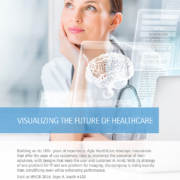
It is helpful to have a goal, even in the knowledge that it can never be reached. Some enthusiasts in the Integrating the Healthare Enterprise (IHE) community, including myself, follow the road towards developing IHE integration profiles to reach the goal of an integrated patient care (IPC), see figure 1, even knowing that it means reaching for the impossible.
The eight components contributing towards IPC shown in figure 1 are not representative of healthcare in general, but may be seen in the context of decision making for patient-specific therapeutic approaches. The healthcare unit which typically plays a major role in the process of therapy decision making is the therapy planning unit or tumour board. Here, ideally, many information sources available about the patient (radiology, pathology, oncology, surgery, etc.) should be considered before subsequent diagnostic or therapeutic steps are being taken.
In a real clinical setting this means that a combination of quantitative and qualitative information about the patient has to be mentally integrated by the physician to create an abstract representation (model) of the patient. This model must be as close as possible to reality to serve as a basis for decision making in medical diagnosis and therapy.
Based on the model created in the physician

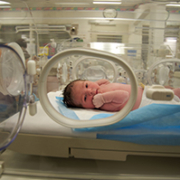
Neonatology is a subspecialty of pediatrics. Neonatologists may act as general pediatricians, providing evaluation and care in a hospital to healthy newborns. However, they are best known for their role treating newborns requiring intensive medical attention. Such treatment is usually provided at a hospital

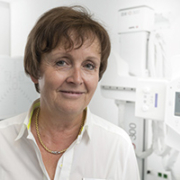
A 354-patient study on image quality and dose values for thorax images with the DX-D 300 digital radiography system and MUSICA 3 software was carried out at the Institute of Imaging Diagnostics and Therapy (BDI) in Erlangen. Dr. Karina Hofmann-Preiss, summarizes here the details and findings of the study.
Agfa HealthCare
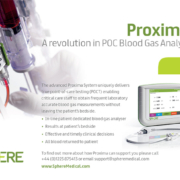

Cardiovascular disease (CVD) is a major cause of death and disability across the world. In recent decades, the battle against CVD has focused on prevention, with the management of lifetime cardiovascular (CV) risk superseding treatment of individual cardiovascular (CV) risk factors. Such a strategy in turn is anchored in two complementary approaches – a population-based one promoting community health (e.g. anti-smoking campaigns, diet and nutritional management) and a clinical approach targeted at high-risk individuals.
Complexity of risk factors
In spite of this, CVD management remains less than optimal – even in countries with advanced and well-funded healthcare systems. In 2007, the authors of an article in the


Prins Hendrikstraat 1
5611HH Eindhoven
The Netherlands
info@interhospi.com
PanGlobal Media IS not responsible for any error or omission that might occur in the electronic display of product or company data.