
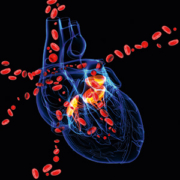
Transcatheter aortic valve implantation (TAVI) is the use of catheterized access via a blood vessel to replace the heart
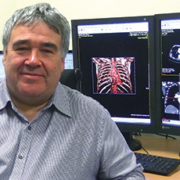
The Cheshire and Merseyside Consortium is made up of eleven trusts in the area, including Aintree University Hospitals, Clatterbridge Centre for Oncology, Liverpool Community Health, Liverpool Heart and Chest Hospital, Liverpool Women

Risk management is an everyday part of a radiologist

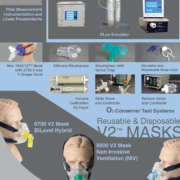
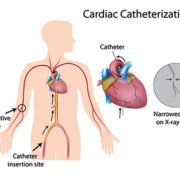
Interventional cardiology, like minimally invasive surgery, has for decades been driven by miniaturization. New lightweight, biocompatible and sometimes self-expanding materials (for catheters and stents), alongside sophisticated digital imaging algorithms, have been the key technology enablers. These, in turn, have reduced vascular complications and hemostasis as well as the use of contrast agents
The emergence of transradial access
One recent development is transradial access, where a catheter is introduced through the radial rather than femoral artery. Making this feasible has been the arrival of automated contrast injectors which permit improvements in angiographic image resolution.
Typically, smaller catheters in use today are 5 Fr. Sheathless catheters promise to reduce the miniaturization envelope even further, since the catheter sheath typically adds 1-2 Fr in diameter. In such circumstances, some foresee a future with what are effectively equivalent to 3 Fr interventions based on a 4 or 5 Fr sheathless catheter.
Cardiologists divided over smaller catheters
However, there is still doubt about the impact of smaller catheters on procedural efficiency and outcomes. In turn, this dovetails into a longer-running debate about the utility of radial access (one of the drivers of demand for smaller catheters) versus the femoral route.
Interventional cardiologists seem divided into two camps on the issue.
The first consists of those who believe 6 Fr (considered

Cloud computing is rapidly emerging as a preferred solution for the challenges of Big Data, mobility and access to information on demand, any time, from anywhere. Although a late arrival to the scene, healthcare has been making up for lost time in terms of embracing the Cloud.
Healthcare and Big Data
In reality, there is little choice. Healthcare is among the largest contributors to Big Data, not least because of the explosion in massive graphic files which constitute Picture Archiving and Communication Systems (PACS). Coping with exabytes of information, growing by the second, has made traditional physical storage a relic. Data storage has become virtual, with the computing process moving to the data rather than the other way round.
In the healthcare context, this is pertinent given that physician interaction with PACS and other clinical information systems is what gives the data meaning. With 75% of physicians using a smartphone and more than 10,000 mobile health applications already in use, healthcare carries some of the biggest and most exacting requirements for mobility, scalability and security.
The above scenarios are central to the Cloud computing offer, and they have guided its development and refinement from the outset.
The Cloud: enhancing healthcare quality and cost-effectiveness
Cloud computing technologies can assist healthcare providers
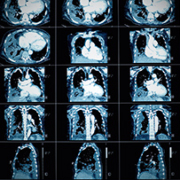
Although many patients still associate the imaging department of a hospital with the frontiers of medicine, the discipline is nearly 120 years old.
The effort to set quality standards for modern CT and MRI systems are inspired by experience with older imaging technologies, especially X-rays. In general, safety issues remain the focus for lawmakers, while recognized professional organisations ensure that quality control efforts remain up to date with ever-changing technologies. Top professional bodies usually function in such capacities under a legislative umbrella. For example, the American College of Radiology (ACR) has a mandate from the US Medicare Improvements for Patients and Providers Act (MIPPA); it also seeks to ensure implementation of both safety and quality programs at the imaging facilities of accredited healthcare providers.
Roots in the 1890s
Medical imaging was born after the discovery of X-rays by German physicist Wilhelm R

Prins Hendrikstraat 1
5611HH Eindhoven
The Netherlands
info@interhospi.com
PanGlobal Media IS not responsible for any error or omission that might occur in the electronic display of product or company data.